
Chicago office market is reinventing itself as companies, workers, and developers recalibrate what downtown and neighborhood workspaces need to deliver. Long gone is the expectation that traditional glass towers alone will anchor Chicago’s commercial future. Instead, adaptive reuse, mixed-use conversions, and specialized office submarkets are reshaping where and how business gets done.
What’s driving the change
Shifts in work habits have prompted landlords to re-evaluate underused office inventory. Tenants now prioritize flexibility, amenity-rich environments, and locations that support hybrid schedules. At the same time, demand for alternative uses—residential units, life-science labs, creative space, and last-mile logistics—has created opportunities for converting obsolete or underperforming buildings into higher-value assets. Transit access and neighborhood vibrancy remain key decision factors for both workers and employers.
Neighborhoods to watch
Several Chicago neighborhoods lead the transformation. Established tech and creative hubs continue to attract startups and scale-ups seeking collaborative floors and experiential amenities. Emerging corridors are drawing attention for affordable conversions and local talent pools, while proximity to transit and major highways bolsters appeal for corporate relocations and last-mile distribution.
Life science and specialized uses
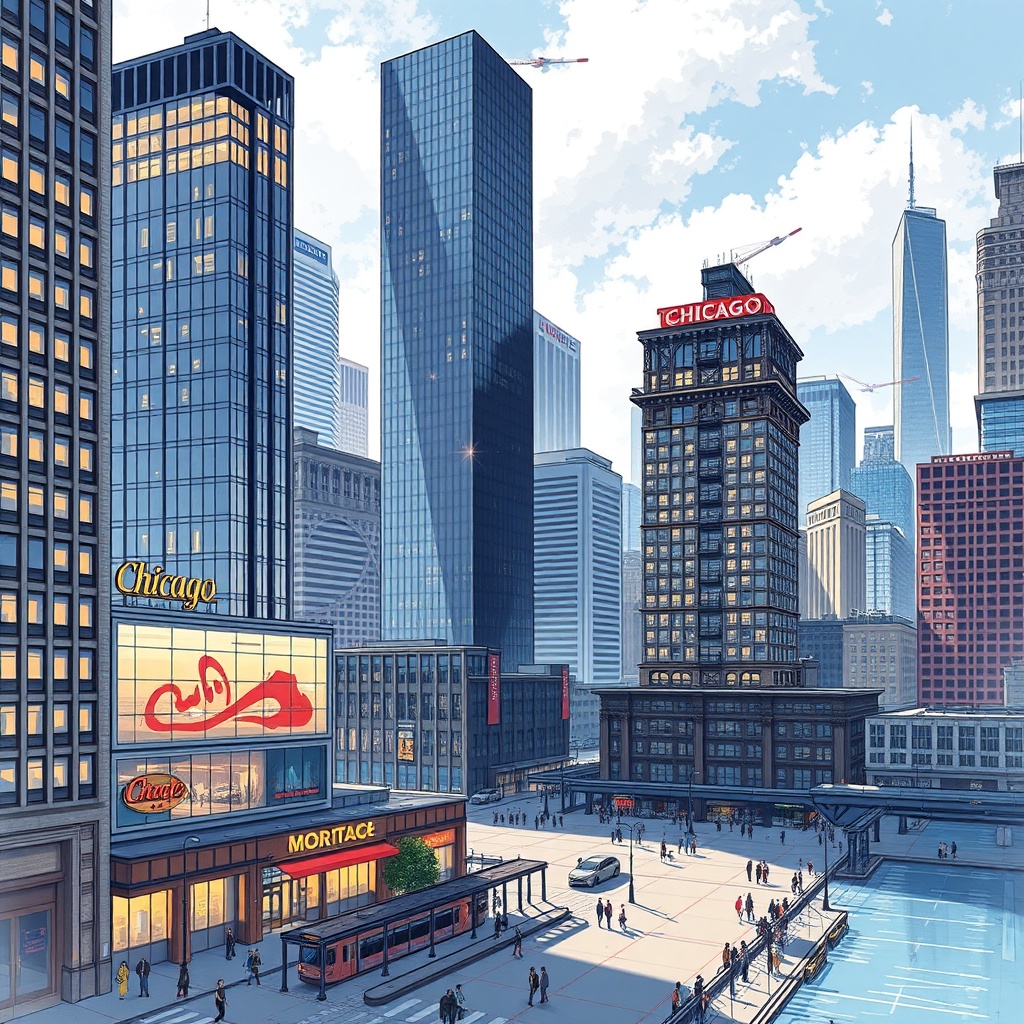
Life-science space is expanding beyond traditional coastal markets, and Chicago’s connectivity, academic institutions, and talent base make it a logical fit.
Buildings with higher floor plates and robust infrastructure are getting retrofitted for labs, with developers incorporating mechanical upgrades and safety features to meet specialized tenant requirements.
For investors, lab conversions require deeper technical due diligence but can deliver durable income from long-term institutional tenants.
Design and amenities that matter
Successful office projects now emphasize experience: flexible floorplates, indoor-outdoor spaces, high-quality air and lighting, on-site fitness, and integrated retail or food offerings. Building owners are also investing in sustainability upgrades—electrification, efficient HVAC, and green certification—to attract environmentally conscious tenants and reduce operating costs. Technology integration for touchless access, energy monitoring, and hybrid workplace tools is increasingly table stakes.
Policy and incentives
Local policy tools and incentive programs aimed at catalyzing redevelopment can be influential. Tax increment financing, streamlined permitting, and public-private partnerships for infrastructure upgrades help unlock complex conversions. Workforce development initiatives that align training programs with the needs of growing sectors—like advanced manufacturing and biotech—can strengthen long-term regional competitiveness.
Opportunities and risks for investors
Opportunities:
– Convert older office stock into mixed-use or lab space to capture premium rents and diversify income.
– Invest in transit-adjacent properties where hybrid workers favor shorter commute times and neighborhood amenities.
– Target neighborhoods with strong talent pipelines from nearby universities and incubator programs.
Risks:
– Conversion costs for life-science or residential use can be significant and require specialized contractors and engineering.
– Market volatility in office leasing can pressure near-term cash flows during repositioning.
– Regulatory and community approvals for conversions may introduce delays.
Practical takeaways for tenants and brokers
Tenants should prioritize flexible lease terms and evaluate buildings on operational efficiency, indoor environment quality, and amenity ecosystems that support talent retention.
Brokers can add value by mapping tenant needs to building capabilities—highlighting transit, neighborhood services, and potential for space customization.
The bottom line
Chicago’s business landscape is adapting to new work behaviors and sectoral shifts by turning underutilized commercial real estate into productive, diversified assets. For investors, developers, and corporate occupiers, success hinges on aligning building strategy with evolving tenant expectations, leveraging neighborhood strengths, and navigating the technical and regulatory complexities of conversion.
The market rewards creativity and operational rigor, making now a pivotal time for smart repositioning across the city.