
Chicago’s riverfront has quietly become one of the city’s most dynamic public spaces — a place where architecture, ecology, dining and active transportation meet.
What started as a working waterway has been reimagined into a walkable, lively riverfront that invites residents and visitors to experience Chicago from a new perspective.
The riverwalk and adjacent promenades stitch together neighborhoods that once turned their backs on the water.
High-rise offices now share views with converted warehouses, galleries and boutique hotels, while pockets of native planting and floating habitats support birds and fish. This mix of urban design and ecological restoration makes the riverfront an attractive example of modern urban planning that balances recreation, commerce and environmental health.
What to experience on the riverfront
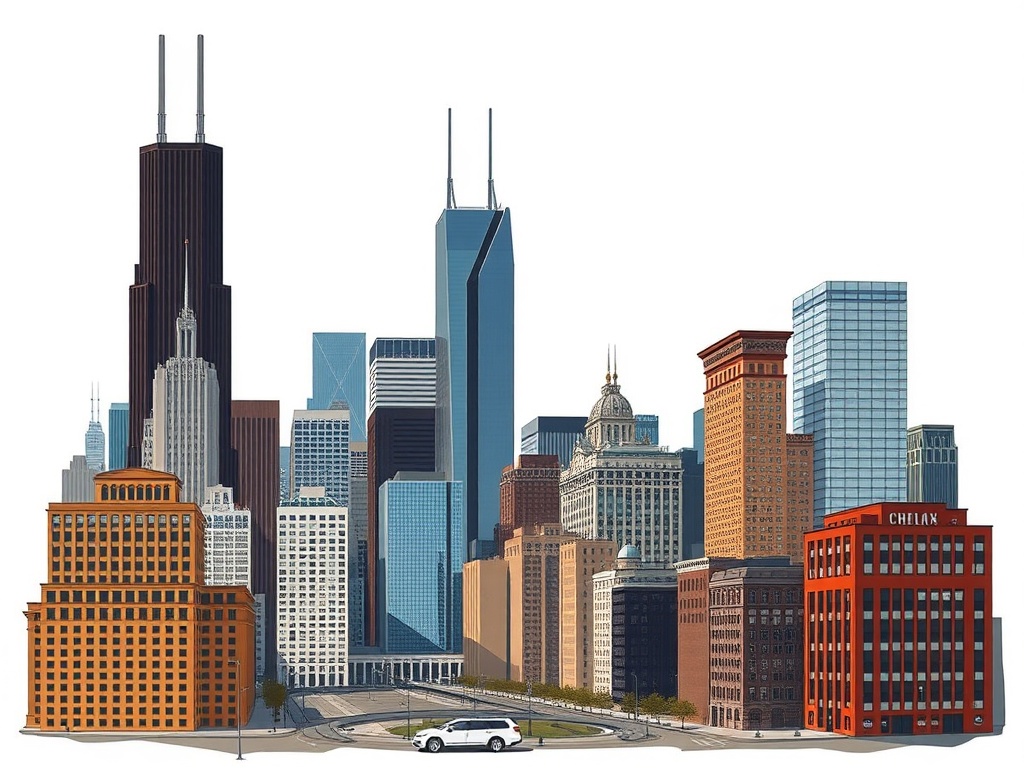
– Architecture tours: Boat and walking tours highlight iconic skyline moments and the engineering feats that define the city. These tours provide prime photo opportunities and a deeper appreciation for how the river shaped urban development.
– Dining and nightlife: A string of restaurants, cafés and seasonal kiosks line the riverwalk. Many offer outdoor seating with unobstructed views of bridges and passing boats, making the riverfront a top choice for social outings.
– Outdoor recreation: Kayak launches and paddleboard rentals put you on the water for a hands-on perspective. The shared-use paths are also popular with cyclists and joggers connecting to broader lakefront trails.
– Public art and activations: Sculptures, murals and temporary installations create a changing cultural layer, while community events — from fitness classes to pop-up markets — animate the space throughout the year.
Sustainability and resilience
Green infrastructure plays a growing role along the river.
Native plantings, bioswales and permeable surfaces help manage stormwater runoff and reduce pressure on the city’s drainage systems.
Floating wetlands and fish-friendly habitats improve ecological function while providing educational opportunities about urban waterways. Adaptive reuse of old industrial sites into parks and mixed-use developments also reduces resource consumption compared with new construction, supporting a more sustainable cityscape.
Planning and connectivity
Thoughtful pedestrian design and improved bridge access make the riverfront highly navigable. Bike-share stations and transit stops nearby lower the barrier to visiting without a car, while coordinated lighting and sightlines enhance safety after dark. These connectivity choices strengthen the riverfront’s role as an everyday amenity for commuters and leisure users alike.
Neighborhood highlights
The river touches diverse districts, each offering a different flavor.
Trendy food halls and tech offices contrast with art galleries and historic buildings, making the area appealing to a wide range of interests. Strolling from one neighborhood to the next reveals how the river contributes to the city’s cultural and commercial mix.
Visitor tips
– Arrive by transit or bike to avoid parking hassles; many riverfront points are well-served by public transportation.
– Book architecture boat tours in advance when planning for groups or weekends.
– Respect wildlife and natural areas; designated access points keep sensitive habitats protected.
– Check for seasonal hours for kayak rentals and outdoor dining, as operations vary with weather.
The riverfront experience is about more than scenic views — it’s a living example of urban transformation that brings together design, ecology and public life. Whether you’re exploring by boat, savoring a riverside meal or simply walking from bridge to bridge, the riverfront captures the city’s capacity to reinvent its public spaces for people and planet.