
Chicago keeps evolving as a city that balances bold architecture, vibrant neighborhoods, and accessible green space.
Whether you’re a visitor or a longtime resident, the blend of lakefront views, riverfront life, cultural institutions, and a dynamic food scene makes Chicago consistently compelling.
Waterfront and riverfront: public spaces that invite everyone
The Lake Michigan shoreline and the Chicago River are more than scenic backdrops—they’re active public spaces. The Lakefront Trail stretches along miles of beaches, parks, and bike lanes, offering running, cycling, and skyline views without leaving the water’s edge. Closer to downtown, the Riverwalk has become a lively linear park where people dine, kayak, or simply stroll alongside restaurants, seating terraces, and public art.
These waterfront improvements prioritize walkability and access, turning formerly industrial edges into daily destinations.
Parks, plazas, and climate-forward design
Chicago is known for iconic public spaces like Millennium Park with its reflective sculpture, but smaller plazas and pocket parks across neighborhoods are increasingly important. City planners and community groups have pushed for greener infrastructure—rain gardens, permeable paving, and native plantings—to manage stormwater and urban heat.
Rooftop gardens and tree-planting initiatives also contribute to a more resilient urban landscape while improving neighborhood livability.
Architecture and culture within walking distance
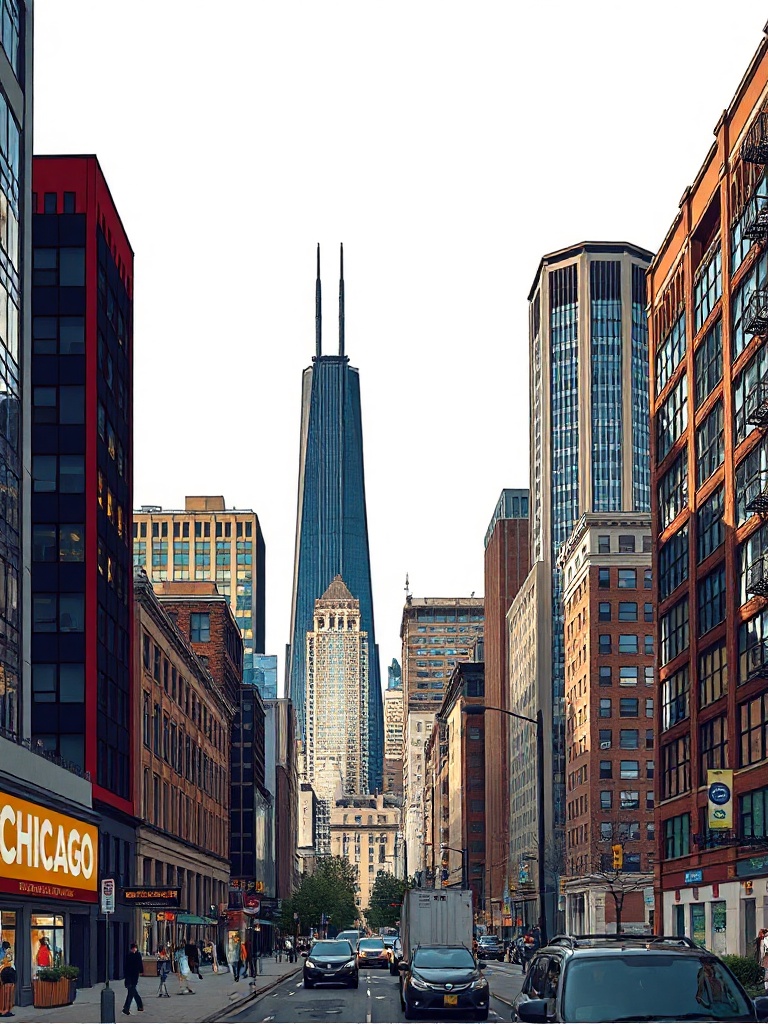
Architecture remains a signature draw. From soaring skyscrapers along the river to historic brownstones and industrial conversions in residential neighborhoods, architecture tours—by foot, boat, or bike—remain among the best ways to understand the city’s layered history. Cultural institutions are easily accessible: museums, theaters, and music venues anchor neighborhoods and provide year-round programming that reflects the city’s diversity.
Neighborhoods and an evolving food scene
Chicago’s neighborhoods define its character. Each offers a mix of longtime local institutions and new concepts in dining, coffee, and retail. The food scene continues to expand beyond well-known classics; chef-driven small plates, inventive casual spots, and neighborhood bakeries are worth seeking out. Deep-dish pizza and Chicago-style hot dogs remain culinary staples, but sampling thin-crust tavern pies, global street food, and seasonal tasting menus reveals the city’s culinary breadth.
Getting around: practical mobility for exploring
Getting around is convenient whether you choose public transit, bike, or ride. The elevated trains, subway segments, and bus network connect core neighborhoods and outlying districts, while dedicated bike lanes and shared-bike services make short trips straightforward. For waterfront routes and loop-centric sightseeing, walking often provides the best pace to take in architecture and public art.
Tips for visitors and locals
– Pace your exploration: focus on one or two neighborhoods per outing to really soak in local cafés, galleries, and parks.
– Use a map of the lakefront and riverwalk to plan scenic routes that combine green space with dining stops.
– Look for outdoor programming—live music, pop-up markets, and waterfront festivals—especially during warmer seasons.
– Respect changing weather and layer clothing; microclimates near the lake can shift quickly.
Chicago remains a city where public spaces, culture, and food intersect in ways that reward both casual visits and deeper exploration. Whether you’re tracing the river by kayak, hunting down a neighborhood pastry, or touring landmark architecture, there’s always something new to discover while enjoying familiar favorites.