
Chicago’s waterfront has long been the city’s living room — a mix of green space, public art, restaurants, and active transit that invites both locals and visitors to linger. With ongoing investments to improve access and resilience, the lakefront and riverfront offer one of the clearest snapshots of the city’s mix of culture, recreation, and urban planning. Here’s how to make the most of it.
Where to start: riverwalk and parks
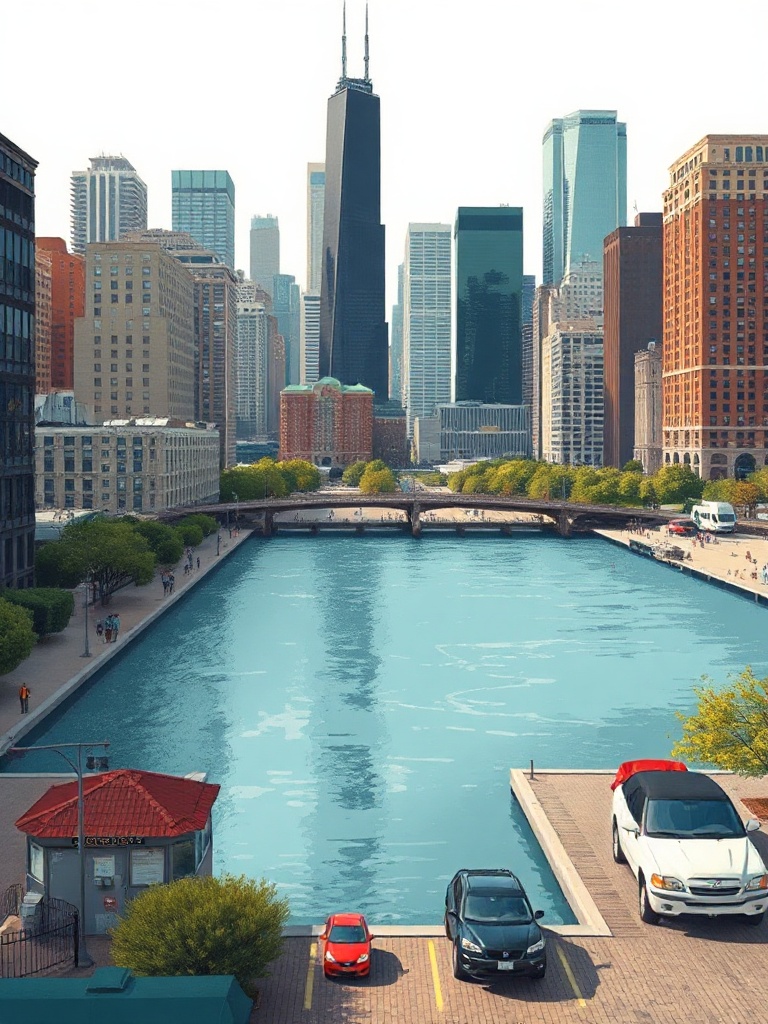
The Chicago Riverwalk stretches through the heart of downtown and is a great first stop.
Lined with cafes, public seating, and occasional pop-up events, it’s ideal for afternoon strolls that combine city views with water-level perspective. A short walk from the river leads to Millennium Park and the iconic public artworks and free outdoor programming, while Grant Park and the Museum Campus connect to expansive lawns and cultural institutions.
For quieter escapes, Lincoln Park’s conservatory, the lakeshore beaches north of downtown, and smaller neighborhood pockets of green provide respite. The Lakefront Trail is the backbone for walkers, runners, and cyclists — a nearly continuous path that links beaches, harbors, and parks along the shore.
Eat and drink with a view
Chicago dining extends far beyond its famous pie. Along the river and lakefront, you’ll find everything from casual grab-and-go stands to chef-driven restaurants with terrace seating. Waterfront food options are especially lively on warm afternoons and evenings, when al fresco dining makes the most of skyline and water views. Popular spots often fill up quickly; reserving a table or arriving early for walk-in menus can make the experience smoother.
Active ways to enjoy the water
Water taxis and architectural boat tours offer different perspectives of the city’s storied architecture and evolving skyline. Kayak and paddleboard rentals let you get on the water at your own pace, and seasonal lakefront programming often introduces community and fitness events that welcome all skill levels.
On land, consider tackling sections of the Lakefront Trail by bike or on foot.
Neighborhood trails like the 606 (Bloomingdale Trail) provide elevated, traffic-free corridors connecting neighborhoods with cafes, galleries, and parks — great for a neighborhood-hopping day.
Practical tips and accessibility
Chicago’s public transit system connects many waterfront destinations; the riverwalk and nearby parks are accessible by trains, buses, and bike-share programs, making it easy to avoid parking challenges. Many waterfront attractions and paths are wheelchair accessible, with accessible entrances at major parks and public buildings.
Check local transit and venue websites for real-time service updates and accessibility details before heading out.
Climate resilience and public space improvements
Recent efforts have focused on enhancing resilience and public access — from green infrastructure that manages stormwater to upgraded promenades that prioritize pedestrians and cyclists. These improvements aim to keep the lakefront welcoming during extreme weather and to ensure long-term enjoyment for residents and visitors.
Best times to visit
Spring and fall bring milder temperatures and fewer crowds, while summer offers vibrant festivals, concerts, and beach days. Early mornings on the trail are quieter and great for wildlife spotting, whereas evenings light up with skyline reflections worth photographing.
The waterfront captures Chicago’s energy: a blend of outdoor recreation, culture, and dining framed by one of the nation’s most dramatic urban shorelines. Whether you’re seeking a peaceful walk, a culinary outing, or an active day on a bike or board, the lakefront and riverfront are essential parts of experiencing the city.