
Why Chicago still draws travelers, creatives, and food lovers
Chicago combines big-city energy with neighborhood soul. From a continuous stretch of lakefront to a diverse restaurant scene and world-class cultural institutions, the city offers reasons to visit, move, or return often. This guide highlights what makes Chicago tick and how to enjoy the city like a local.
Explore neighborhoods with distinct personalities
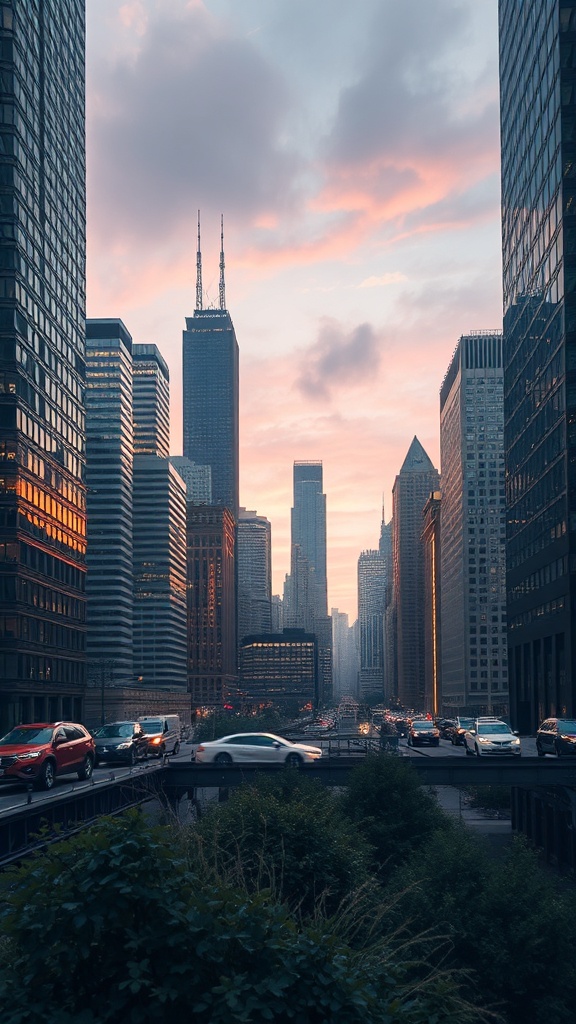
– The Loop and River North deliver iconic skyline views, theaters, galleries, and high-end dining.
Walking these areas reveals architecture tours, public art, and a compact core that’s easy to navigate on foot.
– West Loop is a culinary hotspot with chef-driven restaurants, stylish cocktail bars, and adaptive reuse warehouses that host trendy shops and markets.
– Lincoln Park and Lakeview blend leafy residential streets with lake access, small boutiques, and family-friendly attractions.
– Wicker Park, Logan Square, and Bucktown are the places to find indie music venues, coffee roasters, vintage shops, and a lively brunch scene.
– Pilsen and Hyde Park showcase strong cultural identities, mural art, independent galleries, and museums focused on history, science, and the arts.
– The South Loop has been evolving rapidly, offering riverfront paths, stadiums, and easy access to major museums.
Make the most of the lakefront and river
Chicago’s lakefront is a defining feature—an uninterrupted public space for running, biking, picnicking, and people-watching. The Lakefront Trail connects beaches, parks, and harbors, providing a scenic escape minutes from downtown. The Chicago Riverwalk transforms downtown edges into promenades filled with cafés, kayak launch points, and seasonal programming. River tours remain a top way to learn why the city’s skyline is celebrated worldwide.
Culture without compromise
Art lovers can spend days in museums and galleries. Major institutions display international collections and rotating exhibitions, while smaller venues highlight emerging and local artists. Theater and live music scenes are robust, with everything from intimate jazz clubs to large performance halls hosting touring acts and homegrown productions.
Food and drink: deep-dish, beyond the hype
Chicago’s culinary reputation includes its famous deep-dish and hearty sandwiches, but the city’s real strength is variety.
Fine dining, inventive tasting menus, immigrant-owned eateries, and casual counter-service spots create a dining ecosystem that rewards exploration.
Neighborhood food halls and farmers markets make it easy to sample local flavors on a budget.
For the best experience, book ahead for popular restaurants and plan weekday or earlier dinner times for shorter waits.
Getting around
Public transit and micromobility options make navigating easy.
The rapid transit network connects neighborhoods and major attractions; commuter rail lines serve outlying suburbs. Bike-share stations dot the city, and an expanding network of protected bike lanes improves safety for cyclists. Rideshares and taxis fill in gaps late at night or where transit frequency is lower.
Seasonal considerations and practical tips
Chicago’s weather can swing between extremes. Summers invite outdoor festivals, rooftop bars, and lake swimming; cooler months favor museum days, theater nights, and cozy neighborhood restaurants. Packing layers is a smart move year-round. Safety-wise, treat Chicago like any major city: stick to well-lit areas at night, watch belongings in crowded spots, and ask locals or staff for neighborhood recommendations.
Why Chicago matters
Chicago balances innovation and tradition—an urban hub where architecture, public space, and food culture intersect.
Whether visiting for a weekend or scouting neighborhoods to call home, the city rewards curiosity. Walk a few blocks off the main tourist routes, strike up a conversation in a café, and the city’s many layers start to reveal themselves.