
Chicago’s combination of bold skyline, expansive lakefront, and neighborhood variety keeps it among the most compelling cities to explore. Whether you’re a first-time visitor or a long-time resident, the city offers a nonstop mix of architecture, food, public spaces, and cultural institutions that stay vibrant across seasons.
A waterfront built for people
More than 20 miles of parks and beaches frame the city’s shores, giving Chicago a distinctive sense of openness.
The lakefront path is a favorite for runners, cyclists, and families — a near-continuous greenway that links beaches, museums, and recreational fields.
Kayak and paddleboard rentals are common along the river and certain harbors, making it easy to experience the skyline from the water.
The Riverwalk transformed downtown life by turning previously industrial stretches into pedestrian-friendly promenades lined with seating, public art, and casual dining. Boat tours remain a top way to learn the city’s architectural story while enjoying cool breezes off the water.
Architectural storytelling
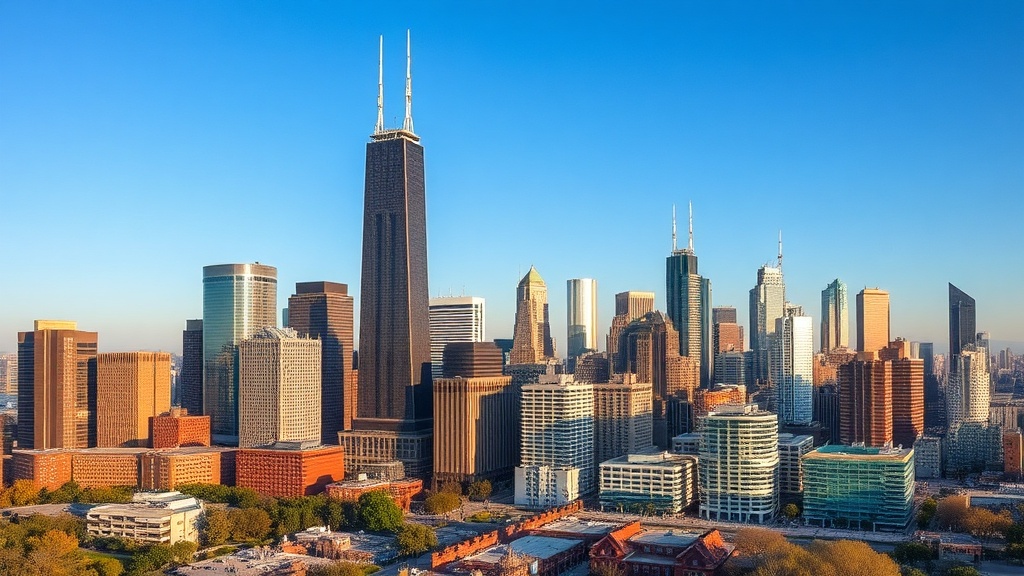
Chicago is synonymous with architecture. Walking tours and river cruises highlight styles from classic Prairie School and Beaux-Arts to modern glass-and-steel innovations. Landmarks and newer high-rises shape the skyline, while neighborhoods preserve a mix of historic brownstones, bungalow rows, and industrial conversions.
Public architecture projects and sculptures are woven into parks and plazas, so a casual stroll can double as a curated design lesson.
Neighborhoods and culinary discovery
Chicago’s culinary reputation goes well beyond one famous pizza style. Neighborhoods offer concentrated food scenes: the West Loop draws top restaurants and chef-driven concepts; Pilsen and Little Village showcase vibrant Mexican and Latin American foodways along with murals and cultural events; Chinatown presents dim sum, bakeries, and traditional shops; and the South Side has a deep tradition of soul food and barbecue.
Streetfood, farmers markets, and neighborhood bakeries make exploring easy on any budget. Food halls and food truck gatherings are plentiful, offering fast access to experimental pop-ups and international flavors.
Culture, museums, and performance
Major institutions anchor the lakefront and downtown precincts, but smaller galleries, independent theaters, and music venues keep the calendar lively across neighborhoods. Public festivals, outdoor concerts, and seasonal markets activate parks and streets, drawing long lines for everything from pop-up restaurants to film nights under the stars. Museums often bring world-class exhibitions alongside robust family programming.
Getting around and practical tips
Public transit, bike-share programs, and walkable streets make many parts of the city easy to navigate without a car. For outdoor plans, pack layers: weather by the lake can shift quickly. Weekdays and early evenings are ideal for popular attractions to avoid peak crowds. Reserve tickets ahead for sought-after shows, exhibitions, and river cruises to secure preferred times.
Sustainable and resilient initiatives
City planning increasingly emphasizes green infrastructure, shoreline resilience, and public space improvements that prioritize access and climate adaptation. Community-led garden projects and expanded bike lanes reflect a broader commitment to healthier, more connected neighborhoods.
Whether your itinerary focuses on architecture, dining, arts, or outdoor life, Chicago rewards curiosity.
Start with a neighborhood and let the city’s layers lead you to hidden cafes, striking murals, and waterfront views that reveal why so many keep coming back.