
Chicago is a city built on layers: water and steel, neighborhoods and narratives, celebrated landmarks and quiet corners. For visitors and locals who want to experience the city beyond postcards, focusing on architecture, neighborhoods, food, and public spaces reveals the real Chicago.
Start with the skyline’s best view: the Chicago Riverwalk. Walking along the river gives a ground-level look at iconic towers and innovative new builds, where pedestrian bridges and public art create a lively corridor.
River architecture tours remain one of the most effective ways to learn about the city’s engineering milestones and the stories behind familiar façades.
Millennium Park is a natural next stop. Its public art, gardens, and performance spaces make it a hub of activity year-round. Cloud Gate—popularly called “The Bean”—is a must-see for first-timers, while the nearby Jay Pritzker Pavilion hosts free and ticketed performances that showcase music from classical to local indie acts.
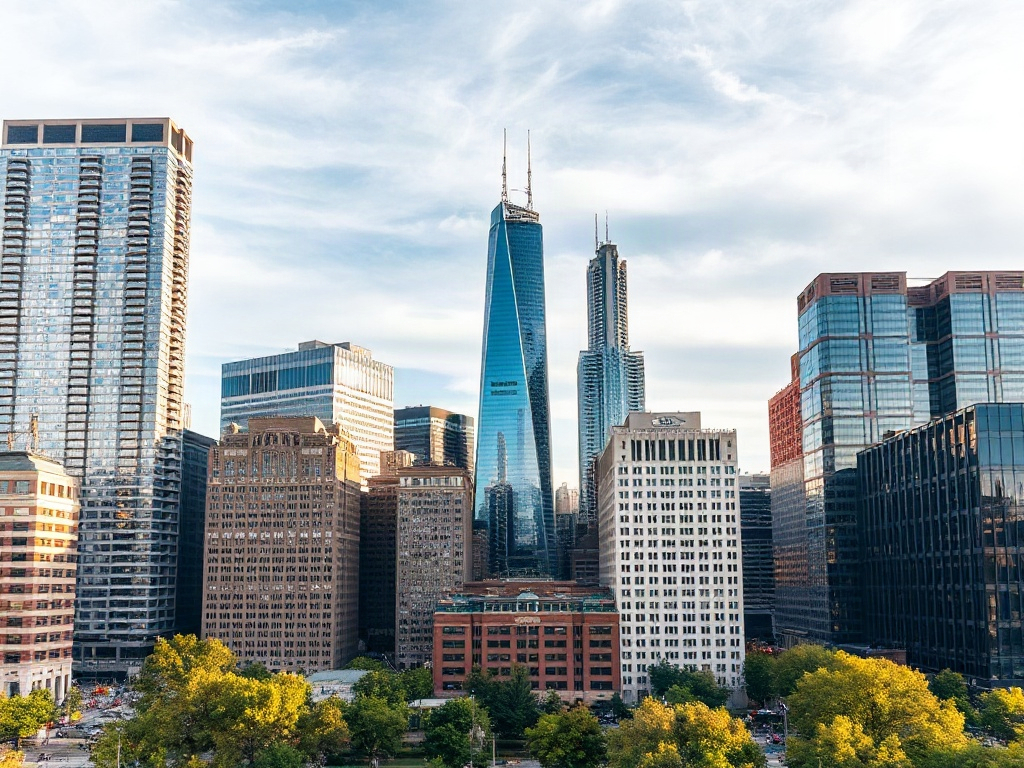
Across the way, the Art Institute of Chicago houses world-class collections that pair well with a slow afternoon in the park.
Venture beyond downtown to discover the neighborhoods that define Chicago’s character. Bronzeville offers rich cultural history and soulful cuisine, while Pilsen is a canvas of vibrant murals, Mexican bakeries, and contemporary art spaces.
For a taste of hip, walk through Wicker Park and Logan Square, where independent boutiques, coffee shops, and a thriving brunch scene meet vintage architecture. Hyde Park brings a quieter, academic vibe with leafy streets and major cultural institutions clustered near the lake.
For architecture enthusiasts wanting more depth, a short trip to Oak Park delivers an essential experience: home to some of Frank Lloyd Wright’s most influential residences and the Prairie School movement.
Guided tours and easily walkable streets make it simple to see how early 20th-century design reshaped American domestic architecture.
Chicago’s lakefront is one of the city’s greatest assets. The Lakefront Trail stretches for miles, connecting beaches, parks, and skyline viewpoints.
Rent a bike or lace up comfortable shoes—whether you’re chasing sunrise over the lake or a sunset skyline, the waterfront offers some of the most Instagram-ready moments in the city. Museum Campus, close to the lake, clusters major institutions into a green setting ideal for a full day of exhibits and outdoor exploration.
Food is part of every Chicago neighborhood’s identity.
Classic deep-dish pizza remains a culinary rite of passage, but the city’s dining landscape is much broader: from high-end tasting menus to pioneering plant-based restaurants, from elevated Midwestern cuisine to global street flavors. Pop into a corner bakery for a cinnamon roll, seek out a boutique sandwich shop for a late-night bite, or plan a multi-stop crawl through an ethnic enclave to taste the city’s diversity.
Getting around is straightforward: the CTA’s ‘L’ trains and buses connect major neighborhoods and attractions, and the bike-share system complements the extensive network of protected lanes and trails.
Ride-sharing and ferries across the river add options when timing matters.
Safety and planning make the difference between a good trip and a great one. Stick to well-lit streets after dark, keep a flexible itinerary that allows for spontaneous discoveries, and check event schedules for neighborhood festivals and pop-ups. Many cultural institutions offer free or discounted days, so a little planning can stretch a budget without cutting quality.
Chicago rewards curiosity. Whether exploring monumental architecture, sampling neighborhood flavors, or tracing the lakefront’s edge, a deliberate mix of planned stops and aimless wandering uncovers the city’s layered charm. Pack comfortable shoes, an appetite for new foods, and an openness to detours — the best moments often happen off the beaten path.