
Chicago White Sox: What to Watch and Why the South Side Still Matters
The Chicago White Sox combine deep South Side roots with a modern approach to building a winning club. Fans expect grit at Guaranteed Rate Field, and the organization has balanced honoring its past with investing in a future built around pitching, player development, and analytics-driven decisions.
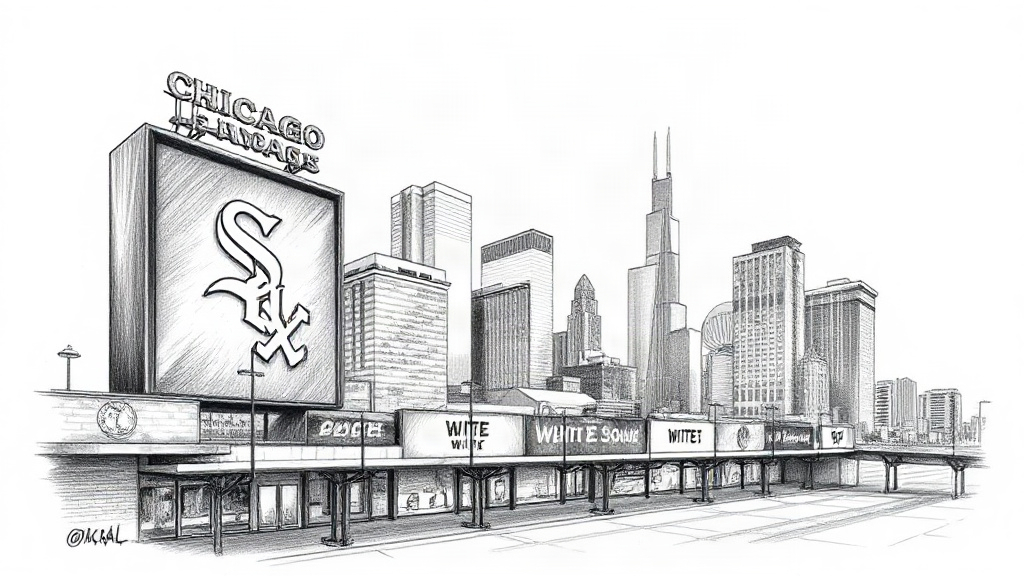
Organizational identity
The White Sox identity is clear: play tough defense, manufacture runs when needed, and build from the mound outward. Longstanding icons such as Frank Thomas and Paul Konerko remain part of the franchise’s DNA, while front-office strategies increasingly prioritize scouting, medical analytics, and player development. That blend of tradition and modern baseball thinking shapes roster construction and how prospects are groomed.
Pitching as the foundation
Across baseball, successful clubs often start with a strong starting rotation and reliable bullpen depth. The White Sox have emphasized starting pitching as the gateway to sustained success.
That means investing in international scouting, refining pitch design and sequencing with state-of-the-art analytics, and keeping an eye on workload management to avoid injuries.
Bullpen depth—especially late-inning options who can handle high-leverage situations—remains a priority through trades, free agency, and internal promotions.
Prospects and the farm system
A healthy farm system keeps a franchise competitive without sacrificing financial flexibility.
On the South Side, player development centers focus on individualized plans: improving pitch shapes for arms, advancing plate discipline for hitters, and accelerating defensive versatility. Prospects often move faster when they demonstrate the ability to handle high-level competition and adapt to coaching. Watching the top elements of the farm system provides the clearest indication of long-term upside.
Roster construction and roster flexibility
Modern roster building values versatility. Players who can handle multiple defensive positions, pinch-hit in pressure spots, or bring shift-free contact skills become invaluable.
Teams also prize on-base skills and strong platoon profiles to maximize matchups.
Expect the White Sox to keep an eye on trade opportunities and free-agent signings that add controllable pitching or depth pieces that fit the club’s culture.
Fan experience on the South Side
Guaranteed Rate Field continues to be a gathering spot for fans who pride themselves on a no-nonsense, blue-collar approach to the game. Game nights feature food and entertainment that reflect the neighborhood, and promotions often highlight the team’s connection to the local community. For fans, the most compelling storyline is seeing homegrown talent make an impact while veterans provide stability and leadership.
Rivalries and stakes
Rivalries against the crosstown Cubs and divisional opponents keep intensity high in every matchup. These games often serve as measuring sticks for team progress and can define momentum during critical stretches. The club’s front office monitors competitive windows closely, aiming to seize opportunities via trades or tactical roster moves at key moments.
What to watch next
Stay tuned for roster moves around the trade deadline and any updates on pitching health and prospect promotions.
Pay attention to how the club deploys analytics in-game—late-inning matchups, defensive alignments, and bullpen management can reveal a lot about the team’s short-term priorities.
Finally, the progress of top prospects and how they adapt to major-league pitching will be the clearest indicator of whether the White Sox are poised to challenge consistently.
For South Side fans, each game is another chapter. The balance between honoring long-held traditions and embracing modern baseball provides plenty of reasons to keep watching.