
Chicago’s waterfront is a year-round draw — a living mix of architecture, dining, public art, and green space that showcases why the city remains a top destination for locals and visitors alike.
From the meandering Riverwalk to the expansive lakefront parks, the city’s water edges are designed for strolls, people-watching, active recreation, and seasonal festivals.
Why the Riverwalk stands out
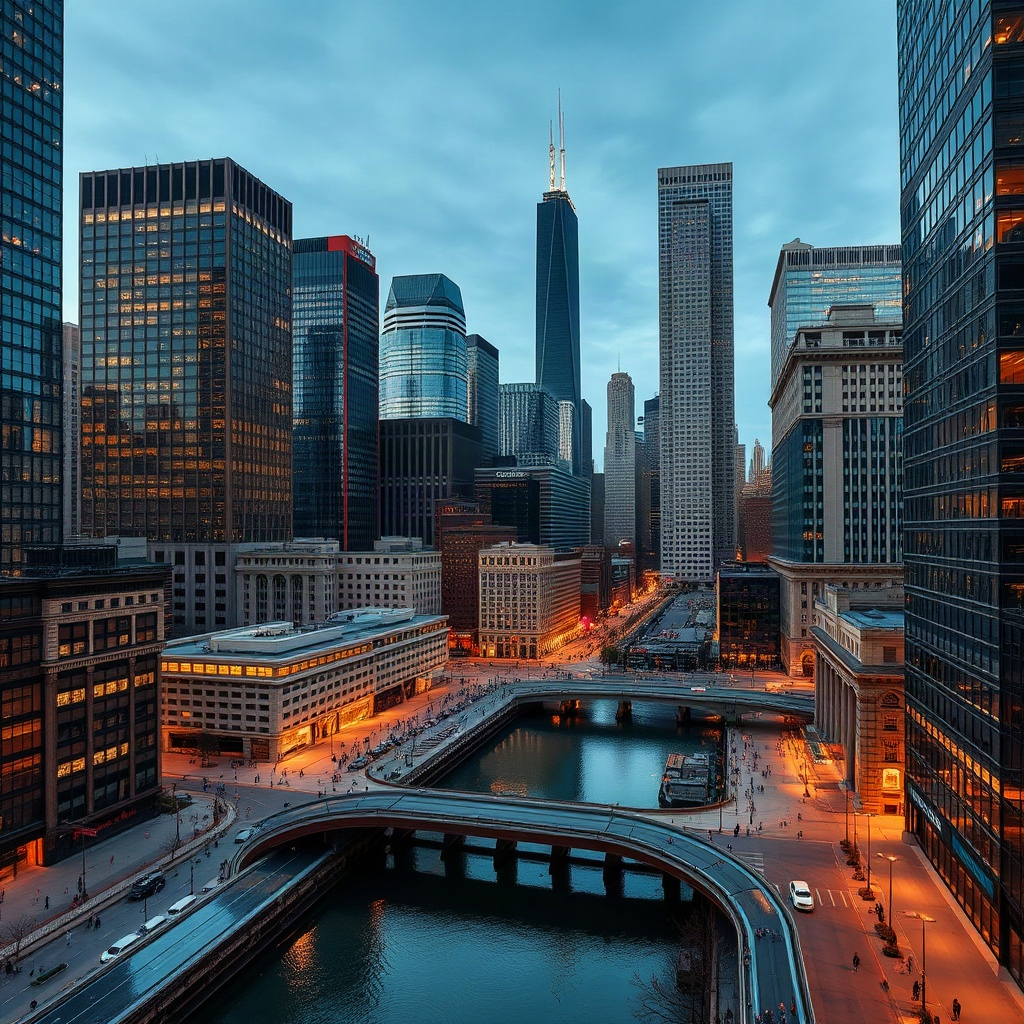
The Chicago Riverwalk threads through downtown, offering a pedestrian-friendly spine lined with seating, cafes, and small piers that draw people down to the water. It’s a prime spot for architecture viewing: take in iconic towers from a new perspective, watch kayaks and small boats glide by, and pause at public art installations. The thoughtful mix of retail and public space makes the Riverwalk feel lively without being overcrowded — ideal for relaxed daytime exploration or sunset walks.
Food and drink with a waterfront view
Eating beside the water has become a signature Chicago experience. Casual kiosks and refined bistros share quay space, serving everything from craft coffee and snacks to seafood-forward menus and seasonal cocktails. Dining options change seasonally, but you can reliably find outdoor seating and patios that capitalize on the river and lake views. For a local flavor, look for places emphasizing Midwestern ingredients and creative takes on classic dishes.
Parks, trails, and active shoreline life
Chicago’s lakefront trail system is one of the city’s greatest assets: a continuous ribbon of green that links beaches, harbors, and cultural destinations. Runners, cyclists, and families use these paths daily. Large parks provide skyline views, picnic lawns, and access to beaches for swimming during warmer months.
Public programming and pop-up events frequently animate these spaces, offering everything from fitness classes to open-air concerts.
Culture and architecture nearby
Major cultural institutions and public squares are within easy reach of the waterfront. Public art and sculptural landmarks punctuate walking routes, while museums and performance venues anchor the cultural calendar. Architecture boat tours launch from river terminals and deliver an immersive lesson in the city’s built history — tip: tours are most enjoyable when the weather cooperates, and early departures tend to be less crowded.
Practical tips for visitors
– Getting there: Public transit is convenient; downtown stops and bike-share stations put the waterfront within easy reach.
– Best times: Mornings and early evenings are typically less busy for walking and photography. Weekends see more activity around popular dining spots.
– Accessibility: Many Riverwalk and lakefront sections are wheelchair accessible, with ramps and level promenades. Check individual venue pages for specific accessibility details.
– Safety and comfort: City lifeguards staff popular beaches seasonally; carry water, sunscreen, and dress in layers as conditions near the water can shift quickly.
Why it matters
Chicago’s waterfront is more than scenic views — it’s an active public realm that balances recreation, history, and commerce while prioritizing pedestrian access and river health. Whether you’re seeking a peaceful skyline stroll, a bite with a view, or a route for a long run, the city’s waterfront delivers an approachable, memorable urban experience that reflects the best of the city’s civic planning and cultural life.