
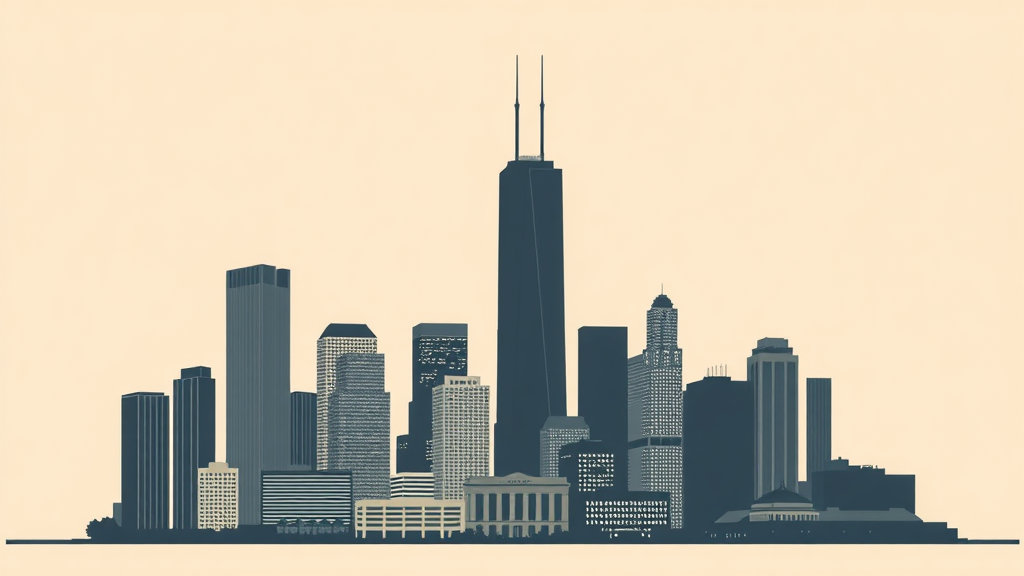
Chicago, renowned for its iconic skyline, has more under its sleeve than many realize. This metropolis is a vibrant melting pot of diverse cultures, each contributing to the city’s charm in its unique way. Today, we’ll take you on a journey that peels back the layers of Chicago to uncover the rich culture and history of its neighborhoods.
A trip to Chicago is incomplete without visiting the North Side neighborhood of Lincoln Park. Famous for its namesake, the sprawling Lincoln Park, the neighborhood is a haven for nature lovers, stretching over 1,200 acres with a free zoo, nature museum, and a conservatory. Yet, it’s not just about green spaces. The shopping scene on Armitage Avenue, the historic architecture, and the bustling nightlife give Lincoln Park a distinct charm.
Moving west, we find Wicker Park and Bucktown, a trendy duo famed for their art scene and vibrant nightlife.
These neighborhoods are a creative hotspot, with numerous art galleries, music venues, and independent bookstores that have become cultural pillars.
The robust shopping district on Milwaukee Avenue makes Wicker Park a fashion enthusiast’s paradise, with an eclectic mix of high-end boutiques and vintage thrift stores.
To experience a slice of Mexico in Chicago, Pilsen is your go-to neighborhood. With vibrant murals adorning its streets and traditional Mexican cuisine that will tantalize your taste buds, Pilsen is a testament to Chicago’s cultural diversity. The National Museum of Mexican Art, the first of its kind in the country, attracts art enthusiasts globally with its riveting exhibits.
Now, let’s head north to Andersonville, a neighborhood with deep Swedish roots. It’s home to the Swedish American Museum, which celebrates the contributions of Swedish immigrants to Chicago’s history. Every summer, the neighborhood hosts Midsommarfest, a vibrant street festival featuring traditional Swedish cuisine, music, and crafts.
But don’t overlook the local dining scene — Andersonville is known for its bustling independent food and drink establishments.
Recently, Bronzeville has been regaining its former glory as the “Black Metropolis”. This South Side neighborhood played a significant role during the Great Migration, becoming a cultural, economic, and political hub for African Americans. Today, it’s home to the historic landmarks like the Chicago Bee Building and the monumental Bronzeville Walk of Fame, which celebrates influential figures from the neighborhood.
In the heart of the city lies The Loop, Chicago’s central business district.
With its towering skyscrapers and iconic Cloud Gate, it’s the image that most people identify Chicago with. But The Loop is more than just a business hub.
It’s a cultural epicenter, housing the Art Institute of Chicago, the Chicago Cultural Center, and the bustling theater district along Randolph Street.
Chicago’s neighborhoods are the lifeblood of the city, each offering a unique cultural experience. Whether it’s the artsy vibe of Wicker Park, the Swedish charm of Andersonville, or the historical significance of Bronzeville, the city’s cultural mosaic is evident in every corner. This dynamic blend of cultures, histories, and experiences truly makes Chicago the city of neighborhoods.