
Chicago’s Commercial Pivot: How Office Markets Are Becoming Mixed-Use Engines
Chicago’s business landscape is undergoing a strategic transformation as office demand evolves and developers adapt to changing tenant needs. Rather than viewing vacancy as a liability, many property owners and city planners are treating it as an opportunity to reimagine urban spaces that attract residents, startups, and innovative employers.
Adaptive Reuse and Mixed-Use Conversions
A leading trend is adaptive reuse: converting underused office towers into residential units, life-science labs, or hotel and retail hybrids. This approach leverages existing infrastructure and central locations—near transit, riverfront amenities, and cultural anchors—while addressing housing scarcity and diversifying downtown activity beyond weekday hours. Projects that blend housing, flexible office, and ground-floor retail are proving especially resilient by creating round-the-clock foot traffic and new consumer bases for local businesses.
Life Sciences, Tech, and Creative Office Demand
Demand is concentrated among sectors that prize proximity to universities, research institutions, and a deep talent pool. Life sciences tenants, in particular, are seeking lab-ready space close to major hospitals and academic centers.
Tech and creative firms continue to favor neighborhoods that offer a lively street scene, walkability, and abundant dining and entertainment options.
This cross-sector demand supports a more mixed downtown economy and reduces reliance on a single industry.
Amenities, Flexibility, and Tenant Experience
Landlords are winning leases by offering flexible terms, plug-and-play workspace, and enhanced building amenities—fitness centers, outdoor terraces, advanced HVAC for air quality, and integrated EV charging. Wellness and sustainability certifications are increasingly influential in tenant decisions, with many firms prioritizing properties that demonstrate energy efficiency, healthy indoor environments, and green building credentials.
Neighborhoods Leading the Shift
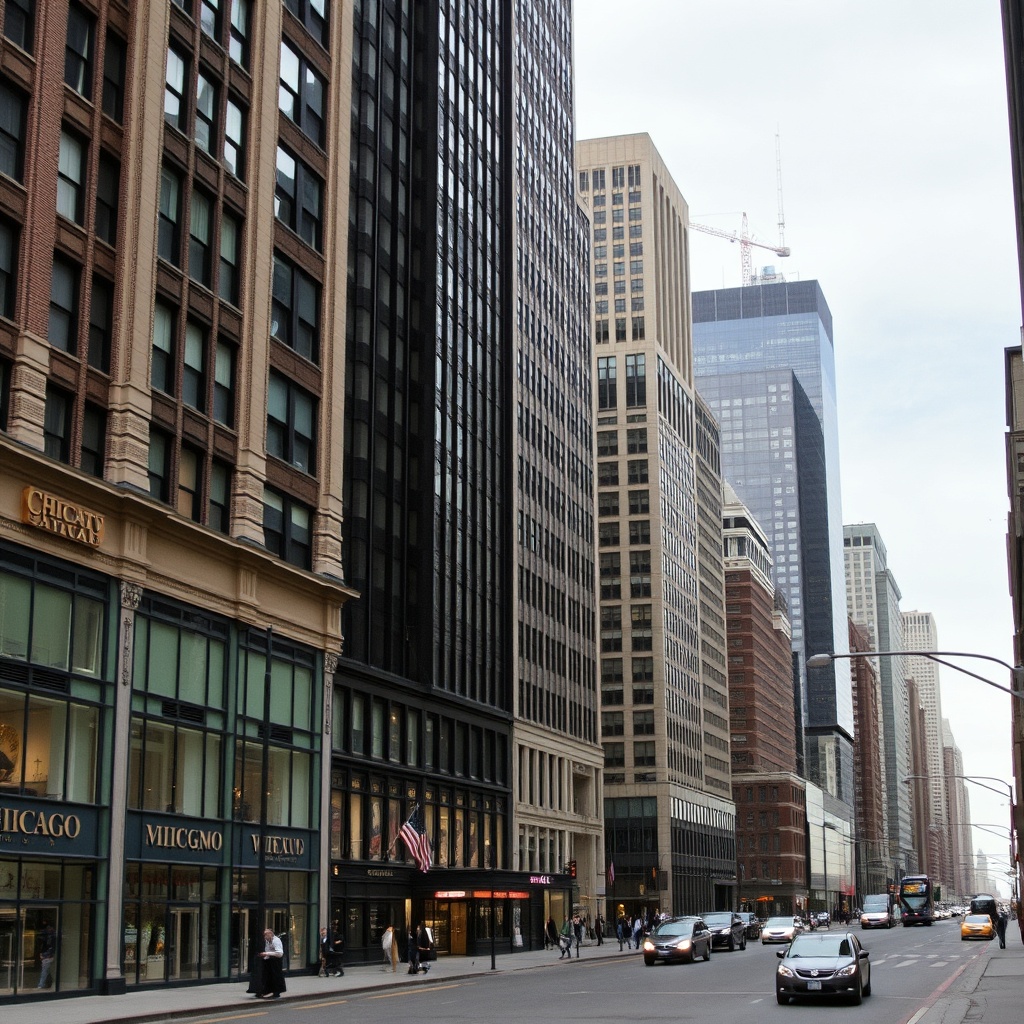
Several neighborhoods function as incubators for change. Areas that combine strong transit connections with a mix of old and new buildings are attracting the most interest from developers and occupiers.
Riverfront access, cultural institutions, and pedestrian-friendly streets remain powerful draws for both office users and residents.
Public Policy and Incentives
Municipal incentives play a role in accelerating conversions and new development.
Programs that reduce permitting friction, offer tax credits for adaptive reuse, and support infrastructure upgrades make it easier for projects to pencil out. Collaboration between developers, community groups, and city agencies helps align projects with neighborhood needs and avoids displacement pressures.
Challenges to Address
Despite momentum, challenges persist. Financing conversions can be complex and costly, especially when retrofitting mechanical systems for residential or lab use.
Perceptions around safety and transit reliability influence corporate location decisions, and a competitive suburban market competes for tenants seeking parking and lower operating costs. Successful projects manage these headwinds with thoughtful design, targeted amenities, and community engagement.
Actionable Priorities for Stakeholders
– Developers: Prioritize flexible floor plates, efficient mechanical upgrades, and mixed-income housing components to spread risk.
– Employers: Seek locations with strong transit access and wellness-focused building features to support recruitment and retention.
– City Leaders: Streamline permitting for adaptive reuse and invest in transit reliability and streetscape improvements to support sustained downtown vitality.
Chicago’s mix of deep talent pools, cultural assets, and transit infrastructure positions it to capitalize on a more diversified downtown economy. By turning underused office stock into dynamic, mixed-use spaces, the city can create neighborhoods that work for businesses, residents, and visitors alike—keeping the central business district vibrant beyond the traditional 9-to-5.