
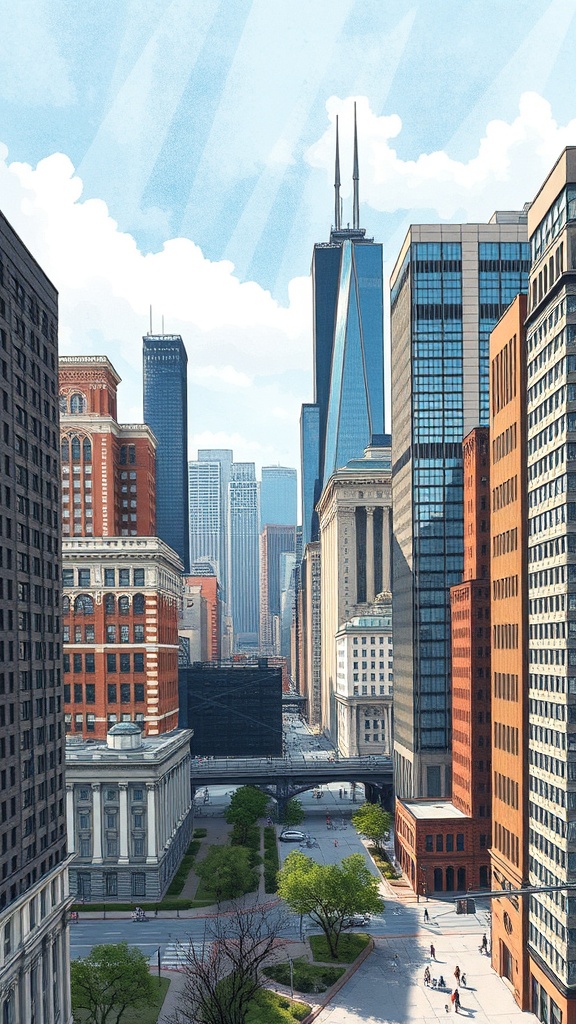
Chicago’s riverfront has emerged as one of the city’s most dynamic public spaces, blending architecture, dining, recreation, and waterfront access into a compact, walkable experience.
The Chicago Riverwalk stretches through the Loop, offering a perfect vantage point to soak in the city’s skyline, watch boats glide by, and discover neighborhood energy that’s both local and lively.
What to expect on the Riverwalk
The Riverwalk is designed for strolling and lingering.
Pedestrian paths hug the river’s edge, punctuated by seating terraces, landscaped gardens, and public art installations. Multiple pocket parks and overlooks invite you to pause and photograph the city from unique angles—especially the iconic views framed by steel bridges and soaring towers. The atmosphere shifts from weekday commuters and office lunches to weekend visitors enjoying live music, pop-up events, and waterfront dining.
Boat and architecture tours
One of the best ways to appreciate Chicago’s architectural legacy is from the water. Guided architecture cruises depart nearby and provide expert commentary on the evolution of the skyline, from early skyscrapers to modern high-rises.
For a quieter experience, consider a river taxi or kayak rental to explore the waterways at your own pace and get close to bridges and bascule mechanisms that define Chicago’s river infrastructure.
Dining options and nightlife
Dining along the Riverwalk ranges from casual cafes and coffee stands to full-service restaurants with outdoor patios. Seasonal pop-ups and temporary bars often expand the options, creating lively stretches where live music and cocktails meet river views. For a broader culinary outing, the Riverwalk connects easily to nearby neighborhoods known for diverse food scenes—perfect for a pre- or post-walk meal.
Parks, public art, and family activities
Beyond dining and design, the Riverwalk supports family-friendly features like interactive public art, shade trees, and small play areas. Nearby green spaces—including a short walk to Millennium Park—offer lawn space for picnics, free outdoor concerts, and photo-worthy landmarks. Public installations rotate regularly, so each visit can reveal something new.
Practical tips for visiting
– Access: The Riverwalk is conveniently reachable by public transit; several train lines and bus routes put you within easy walking distance. River taxis offer an alternative, scenic commute along the water.
– Timing: Early mornings provide calm, soft light for photos and peaceful walks. Evenings bring a different charm as the river reflects city lights and restaurants fill their patios.
– Safety and comfort: Stick to well-lit, populated sections and follow posted signage for closures or maintenance. Wear comfortable shoes—there’s plenty to explore on foot.
– Weather readiness: Waterfront conditions can be breezy. Layers and a light windbreaker will keep you comfortable if temperatures shift while you’re outside.
Sustainability and community
The Riverwalk is part of ongoing efforts to make urban waterways accessible and welcoming. Stormwater management features, native plantings, and public programming reflect a citywide push toward greener, more resilient public spaces. Local businesses and community groups often collaborate on events, making the riverfront a hub for civic life as well as leisure.
Whether you’re a first-time visitor or a longtime resident, Chicago’s riverfront offers a compact dose of what makes the city special: bold architecture, diverse food, public art, and accessible outdoor life—all threaded together by the water that shaped the city’s identity.