
A steady shift in how people work has sparked one of the most consequential real estate trends in Chicago: converting underused office buildings into residential units.
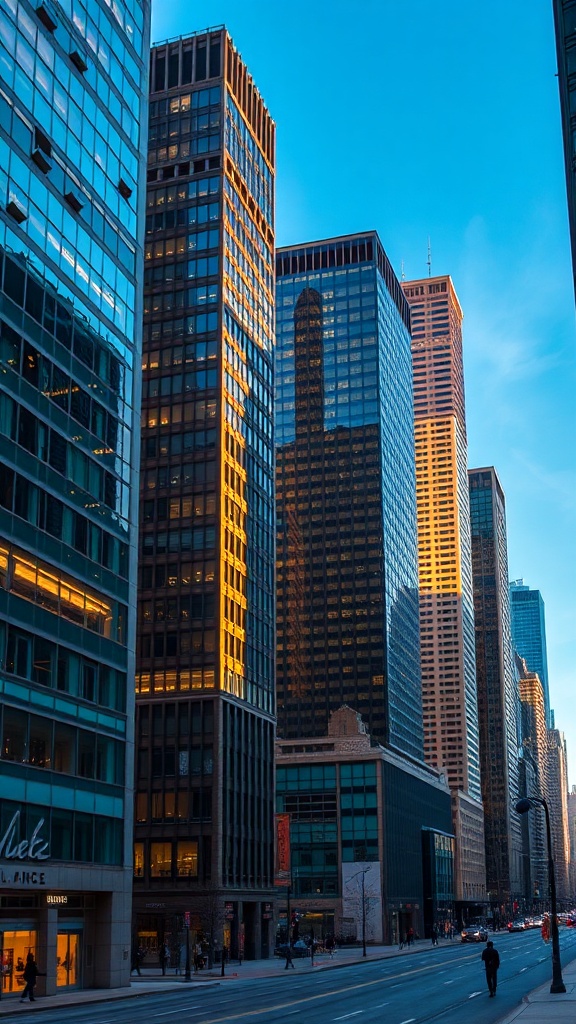
This movement is reshaping downtown neighborhoods, boosting street-level activity and creating new investment opportunities for developers, landlords and local businesses.
Why conversions are accelerating
Hybrid work patterns and flexible leasing have left a portion of traditional office inventory under-leased. Rather than letting buildings sit vacant, owners are pursuing adaptive reuse as a way to stabilize cash flow, reduce carrying costs and capture demand for centrally located housing. Chicago’s rich stock of vintage mid-century and early-modern office towers — many with generous floor plates and character — makes the city particularly well-suited for conversions. Proximity to transit, cultural institutions and dining corridors adds appeal for residents seeking urban lifestyle with convenience.
Neighborhood effects
Converting offices to housing brings more people back to the street after typical business hours, supporting restaurants, retail and service businesses that struggled with reduced daytime populations. Mixed-use corridors become livelier, safety perceptions can improve with increased foot traffic, and local tax bases benefit from renewed property utilization. Neighborhoods that blend residential and commercial uses often see stronger long-term demand and diversification of amenities.
Key challenges to plan for
Adaptive reuse is not without hurdles. Major considerations include:
– Building layout: Deep floor plates and limited window lines can reduce natural light in interior units; creative floor plans and light wells can mitigate this.
– Mechanical and plumbing: Upgrading vertical systems to meet residential demands is often costly and complex.
– Zoning and code compliance: Local requirements for egress, fire suppression and accessibility must be navigated early in the project.
– Parking and mobility: Conversions can strain existing parking supply, but proximity to transit and micro-mobility options can offset demand.
– Historic preservation: Landmarked façades may limit exterior changes, requiring sensitive design solutions.
Financial and regulatory levers
Developers should explore a mix of public and private incentives that frequently support conversions—such as tax abatements, grant programs and density bonuses—alongside traditional financing. Lenders increasingly recognize the value in adaptive reuse projects due to lower construction costs compared with ground-up builds and growing demand for urban housing.
Early-stage feasibility must carefully model capex for mechanical upgrades and potential rent premium for unique units.
Design strategies that add value
Successful conversions prioritize livability. Strategies include maximizing daylight, creating a mix of unit sizes to attract diverse renters, incorporating ground-floor retail or community space, and investing in amenities aligned with urban lifestyles—co-working areas, bike storage, package rooms and resilient HVAC systems. Thoughtful exterior activation—streetscape improvements and storefronts—helps integrate the building into the neighborhood fabric.
Opportunities for investors and operators
Investors seeking long-term, inflation-resistant assets should evaluate downtown conversions for stable cash flow and appreciation potential.
Operators can differentiate properties with strong resident services and targeted marketing to young professionals, empty-nesters seeking city life, and households prioritizing transit access.
The bigger picture
As downtown demand patterns continue to evolve, adaptive reuse represents a pragmatic path to densification without sprawling development.
Conversions breathe new life into existing infrastructure, foster more resilient neighborhoods, and align with urban sustainability goals by reducing demolition waste and repurposing embodied energy. For stakeholders across Chicago’s real estate ecosystem, adaptive reuse offers a forward-looking strategy to reimagine the downtown core while responding to how people live and work today.