
Chicago rewards curiosity. Whether exploring iconic architecture, sampling world-class food, or finding a quiet greenway along the lake, this city blends big-city energy with neighborhood-level charm.
Use these practical tips to make the most of a visit or a day out like a local.
Get around efficiently
– Use the L and bus network for most journeys; trains reach downtown neighborhoods and suburbs, while buses fill gaps. Tap a contactless card or a Ventra account to pay fares easily.
– Rideshares are plentiful, but watch rush-hour congestion on main arteries.
For short hops, check bike-share stations and e-scooters that operate across many neighborhoods—helmet use and awareness of bike lanes go a long way.
– Walking is often faster downtown than driving; compact neighborhoods like the Loop, River North, and Lincoln Park are highly walkable.
Neighborhood highlights
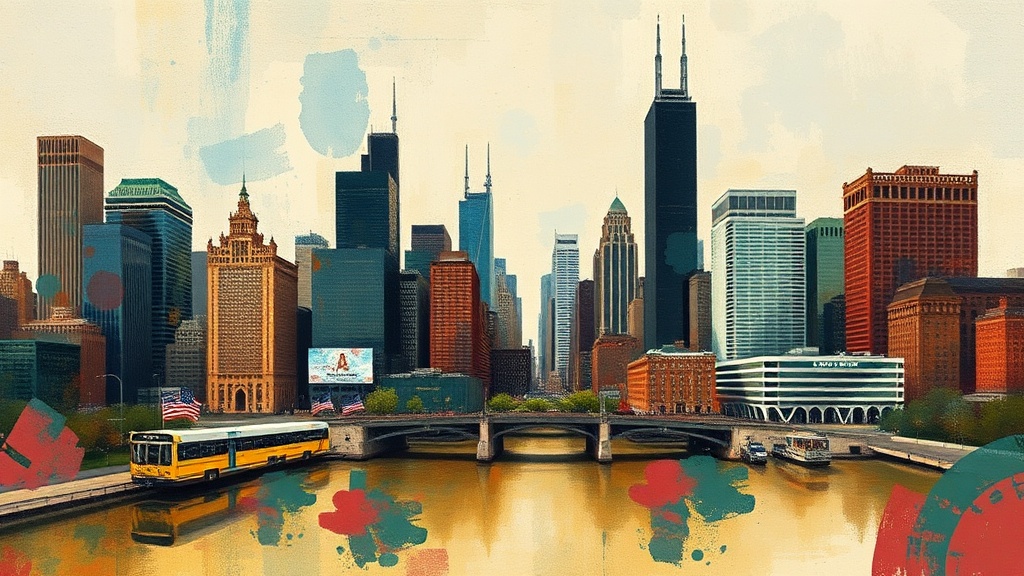
– The Loop: Center of the skyline and transit, with cultural anchors, theaters, and historic architecture. The elevated tracks frame the city in a unique way.
– River North and Streeterville: Great for galleries, restaurants, and nightlife. Riverwalk access along the river offers scenic restaurants and walking paths.
– Logan Square and Wicker Park: Trendy, artsy enclaves with indie shops, brunch spots, and a strong live-music scene.
– Pilsen and Chinatown: Vibrant cultural enclaves known for murals, Mexican cuisine, and authentic Asian markets and eateries.
– Hyde Park and South Side: Home to major museums and a strong cultural and academic presence; explore local bookstores and dining spots off the beaten path.
Food that defines the city
Chicago’s culinary scene spans comfort classics to Michelin-quality tasting menus.
Key bites to try:
– Deep-dish pizza for a hearty, cheese-forward experience.
– Chicago-style hot dog—no ketchup, topped with mustard, relish, onions, pickles, tomato, sport peppers, and celery salt on a poppy seed bun.
– Italian beef sandwiches, often dipped in au jus and brightened with giardiniera.
– Neighborhood restaurants reflecting immigrant communities offer some of the most rewarding meals—seek out family-run gems in less touristy areas.
Parks, water, and outdoor life
Chicago’s lakefront is a standout amenity: long beaches, walking and bike paths, boating, and skyline views. Millennium Park’s public art and free events make it a magnet, while the nearby Riverwalk provides a quieter, urban-waterfront experience. Elevated greenways like the 606 trail create active corridors through neighborhoods; keep an eye out for pop-up markets and outdoor fitness classes.
Culture without the queue
Museums and performance venues draw big crowds, but smaller cultural institutions and neighborhood galleries often offer fresher, more intimate experiences. Look for free-admission days, timed-entry tickets, and neighborhood arts walks to experience local creators without long waits.
Practical safety and etiquette
– Like any major city, stay aware of surroundings and secure belongings, especially on transit and in crowded areas.
– Respect bike lanes and crosswalks—pedestrian and cyclist safety is emphasized across the city.
– Tipping is customary in service industries; gratuities support many workers in restaurants and hospitality.
A city of neighborhoods
Chicago’s greatest strength is how each neighborhood feels like a small town inside a global city. Mixing iconic sights with local discoveries—corner bakeries, community festivals, and hidden parks—creates the most memorable visits.
Plan a few must-sees, but leave time to wander; the best finds are often unplanned.