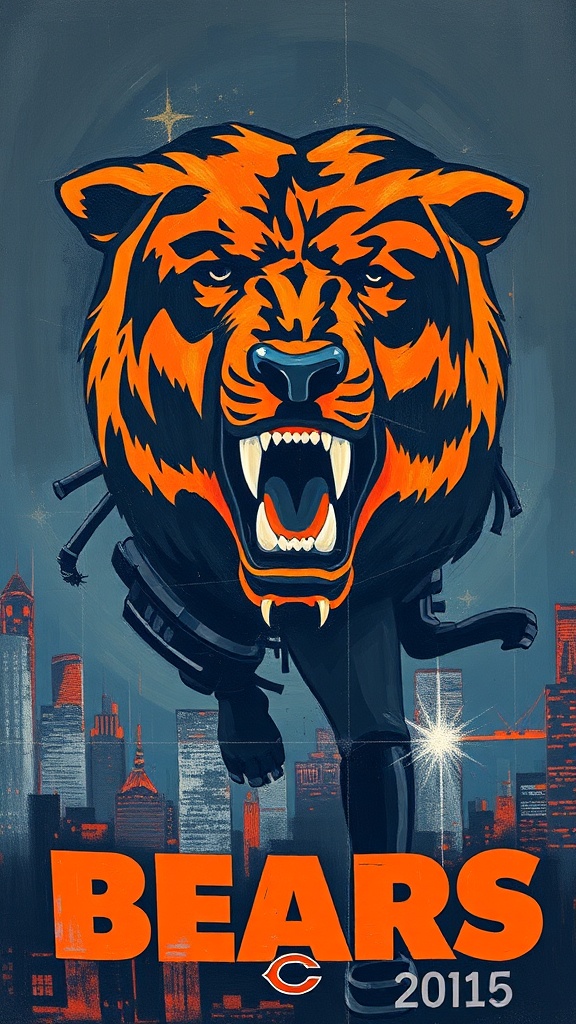
Chicago Bears: Building Identity, Winning Fundamentals, and What to Watch
The Chicago Bears remain one of the NFL’s most recognizable franchises, blending a rich defensive legacy with a passionate fanbase and the iconic backdrop of Soldier Field. For followers and casual observers alike, the key question is how the team translates history into sustained success.
Several timeless priorities will determine whether the Bears rise: identity, quarterback stability, offensive line play, and a defense that can carry momentum.
Defense as a foundation
The Bears’ brand has long been defense-first. Relying on stout line play, aggressive linebacker angles, and disruptive pass rush creates a template that can win close games and control time of possession. Teams that build from the defensive line outward often set the tempo—pressuring quarterbacks, forcing turnovers, and bending but not breaking in the secondary.
Investing in depth up front and versatile defenders who can match up in coverage is a cost-effective formula for sustained competitiveness.
Quarterback clarity
Every roster hinges on the quarterback situation. Whether the team leans on an established starter, develops a young passer, or looks for competition in free agency, clarity at the position unlocks the offense. Quarterback development pairs directly with play-calling: a balanced attack that features play-action, quick read progressions, and a dependable run game eases pressure and maximizes efficiency. The ideal path is a plan that reflects the quarterback’s strengths rather than forcing a rigid scheme.
Win the line of scrimmage
The trenches dictate outcomes. Consistent offensive line play boosts run success and gives quarterbacks time to work through progressions, while defensive linemen who win one-on-one matchups create short fields and explosive plays.
Prioritizing players who can execute physical football and avoid costly penalties is a smarter long-term investment than chasing splashy but inconsistent performers.
Special teams and situational football
Close games are decided by fewer than ten plays. Special teams — from field goal reliability to punt coverage and returners who flip field position — often swing outcomes in tight contests.
Situational football, including third-down defense, two-minute efficiency, and red-zone execution, separate playoff teams from also-rans. Coaching that emphasizes fundamentals in these areas yields disproportionate returns.
What fans should watch
– Roster construction: The balance between veteran leadership and younger, development-focused pieces will reveal the front office’s timeline.
– Coaching identity: Watch whether the staff leans into conservative, field-position tactics or embraces creativity and aggression on offense.
– Emerging playmakers: Breakout seasons from under-the-radar players can transform an offense or defense overnight.
– Health and depth: Injuries test roster resilience; teams with competent backups maintain momentum.
Fantasy and betting angles
For fantasy managers, priority targets are consistent pass-catchers in predictable roles and running backs involved in both rushing and passing downs. Defenses that force turnovers and create sacks offer week-winning potential in IDP and defense/special teams formats. When evaluating lines, factor in weather at Soldier Field and recent trends in third-down conversion and red-zone scoring.
Fan experience and community
A Bears game-day remains a cultural touchstone. Tailgates, local bars, and the electric atmosphere of a cold-weather matchup have a way of bringing the city together.
Community outreach and youth football initiatives continue to energize the next generation of fans.
Keep an eye on roster moves, coaching signals, and the early-season trends that reveal identity. When fundamentals—defense, line play, quarterback clarity, and situational execution—are prioritized, the Bears have the building blocks to compete consistently and make the most of the long NFL grind.