
The Chicago Cubs balance a deep-rooted tradition with a forward-looking approach that keeps the franchise relevant for fans and analysts alike. From the ivy-covered walls of Wrigley Field to a growing emphasis on pitching and player development, the Cubs remain one of baseball’s most compelling organizations.
Wrigley Field: timeless ballpark experience
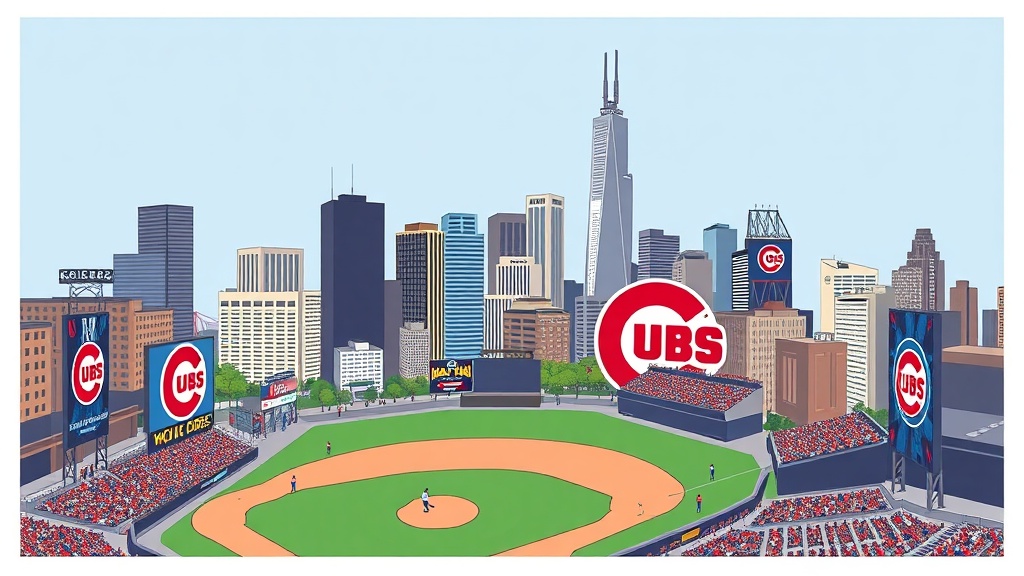
Wrigley Field is more than a stadium — it’s a cultural landmark. The hand-operated scoreboard, rooftop views across Wrigleyville, and the iconic ivy create an atmosphere that few ballparks can match. Fans still flock to day games, fireworks nights, and marquee matchups, drawn by the charm of neighborhood bars, street vendors, and the communal energy along Clark and Addison. Recent ballpark improvements have focused on improving sightlines, player facilities, and fan amenities while preserving historic elements, so the game-day feel stays authentic even as the venue modernizes.
Player development and roster construction
Today’s Cubs blend scouting intuition with data-driven decision-making.
The front office invests in international scouting and an analytics infrastructure that informs everything from pitch design to defensive shifts. At the same time, traditional scouting remains central to identifying players with the right makeup for Chicago.
Emphasis on pitching depth is noticeable across the organization.
Many teams are prioritizing durable starting arms and versatile bullpen pieces, and the Cubs have followed suit by building a rotation that combines control, velocity, and advanced pitch sequencing. A focus on workload management and injury prevention supports long-term success, giving young arms time to develop while keeping veterans fresh.
Prospects and the farm pipeline
A strong farm system fuels sustainable competitiveness. The Cubs place value on developing position players who can handle big-league pitching and pitchers who can command multiple offerings. Prospect promotions are watched closely by fans because each call-up can shift team dynamics, whether by adding a middle-of-the-order bat, a defensive upgrade, or a bullpen arm that locks down late innings.
Tactical approach and analytics
Analytics inform strategic decisions from lineup construction to defensive alignments.
Pitch-framing, spin rate optimization, and launch-angle adjustments are part of everyday coaching conversations. But numbers are balanced with contextual scouting to ensure that data augments — not replaces — player evaluation. This hybrid approach helps the Cubs adapt during a long season, pivoting between small-ball manufacturing, power threats, and pitching matchups depending on opponent and ballpark factors.
Fan culture and rivalries
Cubs fandom is famously passionate. Whether cheering under Wrigley’s lights or following the team on the road, the fan base creates a lively backdrop for every game. Traditional rivalries—especially divisional matchups—still draw the biggest crowds and the most intense attention. The Crosstown rivalry with the White Sox and frequent battles with top divisional foes keep the local and national interest high.
What to watch for
Keep an eye on pitching depth, midseason roster adjustments, and how top prospects transition to the majors. Health and bullpen performance often decide close races, so in-season roster flexibility and trade-market activity can be decisive. For fans, the ongoing storylines — player development, clutch performances, and Wrigleyville’s continuing evolution — make following the team rewarding year-round.
For anyone curious about attending a game or tracking the organization, now is a great time to appreciate both the timeless elements of Cubs baseball and the modern strategies shaping the team’s future.