
Chicago’s business landscape is shifting from a rush of commuters to a more deliberate blend of in-person collaboration and flexible work. Companies are recalibrating how they use office space, and that shift is reshaping neighborhoods, real estate strategies, and talent recruitment across the city.
Hybrid work isn’t just a policy; it’s now a strategic lever. Employers are designing offices that prioritize collaboration, creativity, and employer brand over sheer headcount capacity.
This means fewer rows of desks and more flexible seating, project rooms, and amenity-driven spaces that support team gatherings, client meetings, and culture-building events. Neighborhoods with a lively mix of restaurants, fitness studios, and transit options — such as the Loop, West Loop, Fulton Market, and River North — remain highly attractive because they offer convenience and lifestyle appeal for hybrid teams.
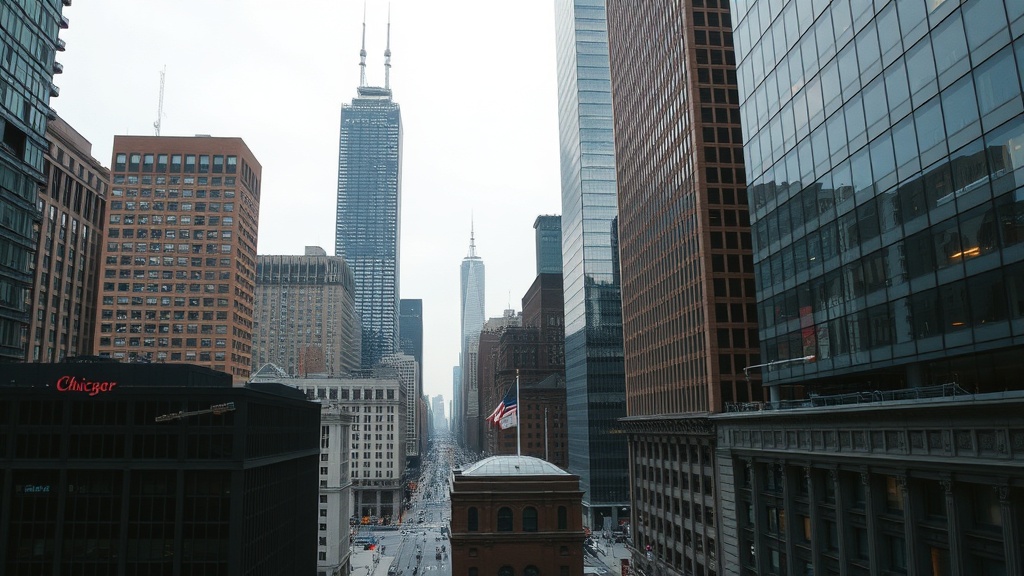
Adaptive reuse is one of the most visible responses to changing demand. Developers and property owners are converting underused office blocks into residential units, hotels, or mixed-use projects that combine living, working, and retail. These conversions help stabilize neighborhoods by increasing foot traffic outside traditional business hours and diversifying revenue streams for building owners. For businesses, a mixed-use neighborhood makes it easier to attract talent who value shorter commutes and an integrated urban lifestyle.
Location strategy now equals talent strategy. Chicago’s deep pool of universities, tech talent, and professional services firms means companies are choosing office locations to match recruitment priorities. Proximity to public transit — CTA lines, Metra, and bike infrastructure — remains a critical decision factor, as does access to affordable housing and neighborhood amenities. Employers are increasingly offering location flexibility and commuting stipends rather than mandating a single downtown hub.
Cost management is prompting creativity.
Rent concessions, flexible lease terms, and tenant improvement allowances are more common as landlords compete for quality tenants. Businesses are negotiating HQ-plus satellite models: a smaller central office for culture and client work, plus neighborhood hubs or remote stipends that reduce daily commute burdens. This approach spreads presence across multiple neighborhoods and supports localized recruiting.
Tech and startup activity continues to influence commercial trends. Innovation hubs, incubators, and co-working operators are clustering around areas with high walkability and dining options, creating mini-ecosystems that foster collaboration between startups and established firms. Corporate venture activity and strategic partnerships keep bringing capital and jobs into the city, while universities supply a steady stream of talent and research collaboration opportunities.
Sustainability and wellness are no longer optional. Tenants prioritize buildings with strong energy performance, healthy indoor air quality, and green certifications.
Retrofits that improve natural light, HVAC systems, and access to outdoor space not only reduce operating costs but also align with employee expectations for a healthier workplace.
What this means for business leaders: prioritize flexibility, sharpen real estate strategy to focus on experience over square footage, and leverage neighborhood advantages to attract talent.
For real estate investors and developers, mixed-use conversions and ESG upgrades present resilient opportunities.
And for civic leaders, supporting transit, affordability, and placemaking ensures neighborhoods remain competitive and equitable as the city’s work patterns evolve.
Chicago’s strength is its diversity of neighborhoods and industries. By aligning space strategy with talent needs, sustainability goals, and neighborhood dynamics, businesses can turn the evolving office landscape into a competitive advantage.