
How to Experience Chicago Like a Local: Neighborhoods, Transit, Food, and Outdoors
Chicago’s appeal is in its layered neighborhoods, bold architecture, and a lakefront that invites exploration. For visitors and locals alike, the best way to feel the city’s pulse is to mix iconic attractions with neighborhood discoveries and practical transit habits that save time and money.
Start with the lake and river
The Lakefront Trail and the Chicago Riverwalk offer two very different but complementary perspectives.
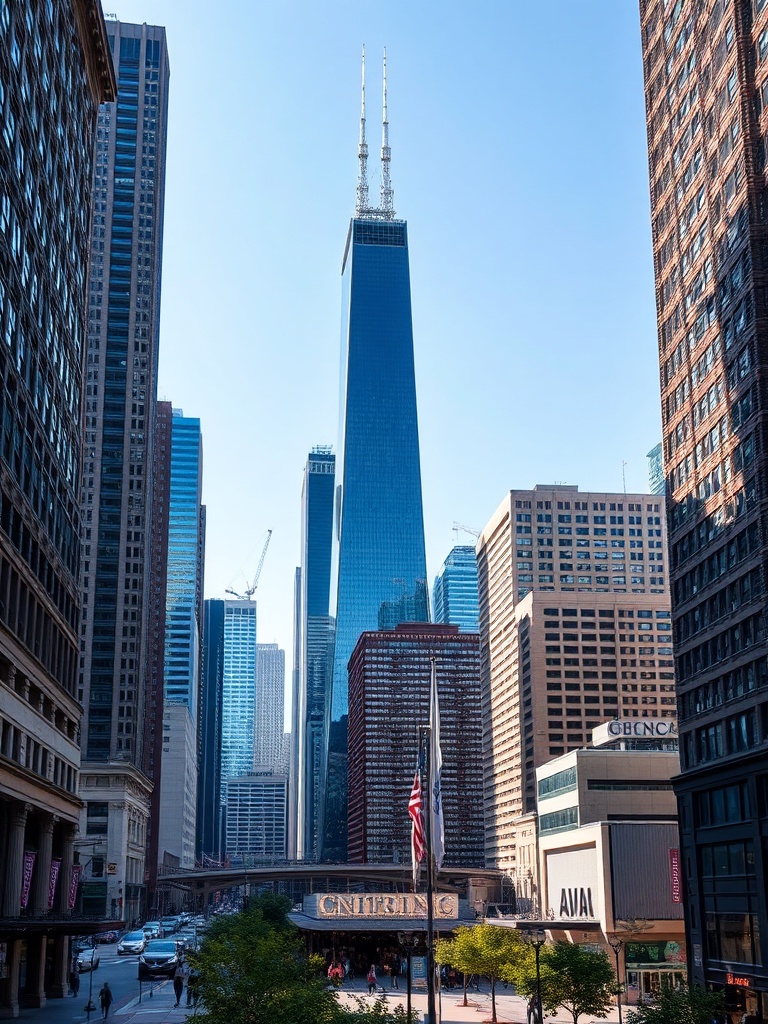
Walk or bike the lakefront for skyline vistas and beach access; float along the river on an architecture boat tour to learn why Chicago’s buildings are a world-class draw. Both corridors have been the focus of recent improvements, adding seating, public art, and pop-up vendor spots that make them ideal for leisurely afternoons.
Move between neighborhoods efficiently
Chicago’s transit network connects nearly every corner. The elevated “L” trains provide quick access to downtown and many key neighborhoods; buses fill in gaps and reach quieter residential streets. For short hops, the city’s bike-share system and dedicated lanes make cycling a fast, flexible option. Using a reloadable transit card or contactless payment app speeds boarding on trains and buses.
Neighborhoods worth exploring
– Millennium Park and the Loop deliver the classic Chicago icons—public art, concerts, and grand civic architecture—while nearby neighborhoods offer different flavors.
– Lincoln Park blends green space with intimate dining, and the zoo is free to visit.
– Wicker Park and Bucktown are known for independent shops, coffee roasters, and cutting-edge restaurants.
– Pilsen is a destination for vibrant murals, Mexican-American cuisine, and galleries.
– Hyde Park brings academic energy, historic sites, and cultural institutions rooted in the city’s intellectual life.
Eat like a local
Chicago’s culinary identity goes far beyond the familiar deep-dish debate. Try the full range: neighborhood taquerias and Italian beef stands, inventive new American restaurants, and hidden gems serving international comfort food. Farmers markets and seasonal outdoor pop-ups are great for sampling local produce, chefs’ small plates, and craft beverages without a formal reservation.
Plan for weather and comfort
Chicago weather is famously changeable. Layering is a practical approach: daytime sun can shift to windy chill, especially near the lake. Comfortable walking shoes matter—streets and parks invite exploration on foot—and carrying a small umbrella helps avoid sudden showers.
Cultural and free options
Many cultural institutions and public spaces offer free or pay-what-you-can programming, from outdoor concerts to gallery openings. Street festivals and neighborhood markets provide a close-up look at community life and are a low-cost way to spend an afternoon or evening.
Practical tips for a smooth visit
– Prioritize by neighborhood rather than attractions far across the city to minimize transit time.
– Make reservations for popular restaurants and tours, especially on weekends.
– Look for early-evening or weekday museum discounts and special programming.
– Support small businesses and local guides—neighborhood-focused spending has an outsized impact on the city’s character.
Chicago rewards slow, curiosity-driven travel. Let architecture lead to a museum, a riverside stroll lead to a neighborhood café, and an off-the-beaten-path mural unveil a block of shops and restaurants. That layered approach—mixing landmarks with local routines—reveals the city’s most memorable experiences.