
Chicago Business: Where Big-Scale Logistics Meets Startup Grit
Chicago’s business ecosystem blends a rare mix of global infrastructure, deep manufacturing roots, and a rapidly evolving tech and creative economy. That combination keeps the city attractive to national headquarters, distribution centers, and nimble startups alike. For business leaders and entrepreneurs, understanding current opportunities and challenges is essential to making smart location and growth decisions.
A national logistics hub with urban grit
Chicago’s location at the crossroads of interstate highways, multiple Class I railroads, and two major airports makes it one of the most efficient distribution centers in the country. Companies that rely on fast fulfillment and multimodal transport continue to favor industrial and last-mile facilities around the metropolitan area.
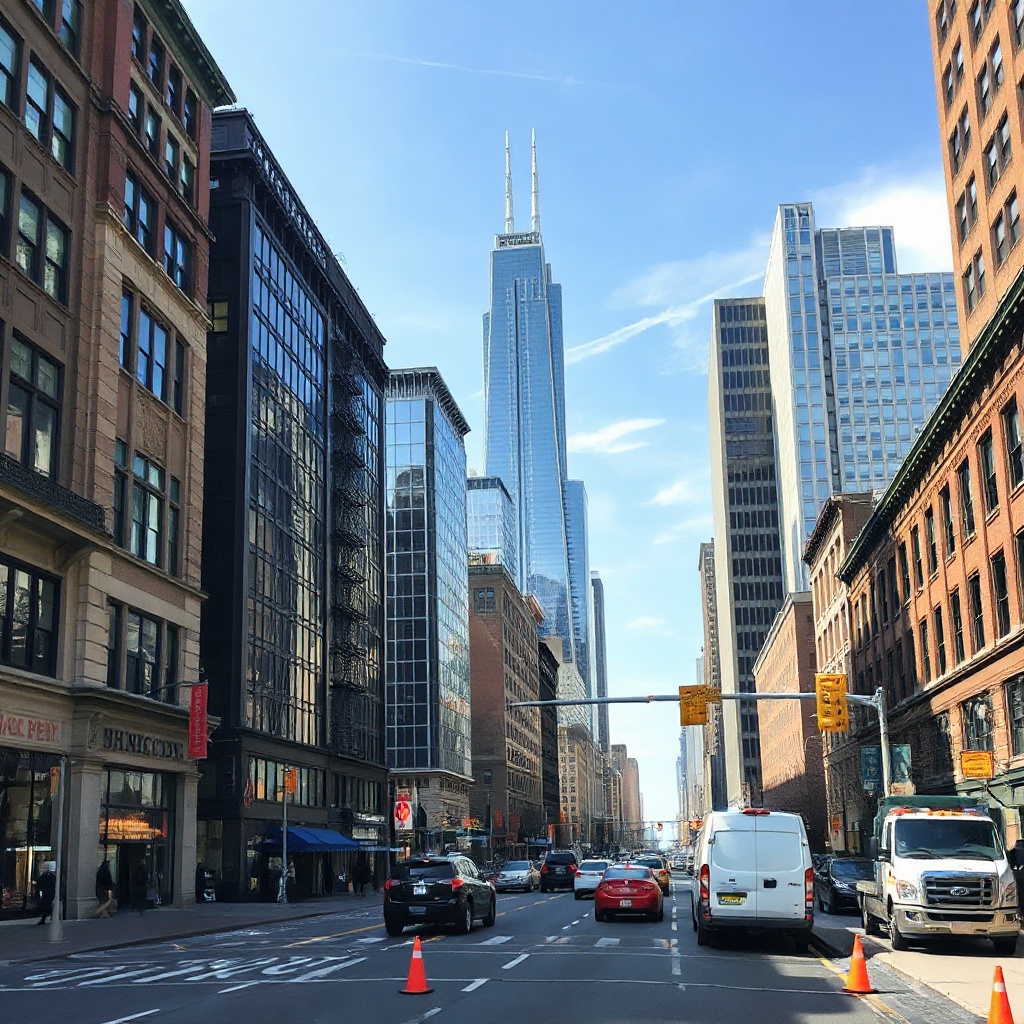
That demand has pushed industrial real estate to be a strategic play for investors and occupiers, while also accelerating adaptive reuse of older properties for light manufacturing and cold storage.
Office market and adaptive reuse
The office sector is in transition as companies balance hybrid work with a desire for collaborative downtown space. Office vacancy has prompted creative conversions: former corporate space becoming residential units, hotels, or mixed-use developments that activate neighborhoods. For tenants, this creates negotiating leverage and more flexible options; for owners, it requires rethinking assets to match shifting demand.
A growing innovation pipeline
Chicago’s universities and innovation centers supply a steady pipeline of talent and commercialization support. Incubators and accelerators connect founders with mentorship, corporate partners, and investors. The city’s startup scene is sector-diverse—fintech, health tech, advanced manufacturing, and foodtech all have active communities—making cross-sector collaboration a strength for founders looking to scale.
Policy, incentives, and workforce development
City and state programs aim to retain and attract businesses through targeted incentives, workforce training grants, and redevelopment programs. Companies expanding operations should research local tax incentive structures, workforce training partnerships, and procurement opportunities with public institutions. Tapping into community colleges and university programs can streamline hiring and upskilling, especially for advanced manufacturing and tech roles.
Hospitality, dining, and the service economy
Restaurants, hotels, and cultural venues remain central to Chicago’s identity and its commercial vitality. Operators are increasingly focused on technology adoption—contactless payments, delivery partnerships, and reservation management—to improve margins and customer experience. Labor availability and rising operating costs push many operators to adopt higher-margin concepts, fine-tune supply chains, and expand catering and event services.
Sustainability and resilience as business drivers
Sustainability initiatives—energy-efficient retrofits, electrification of fleets, and green stormwater infrastructure—are not just regulatory items but competitive advantages. Businesses that invest in resilience and sustainability often reduce long-term operating costs, attract talent, and qualify for incentive programs. Climate-smart site selection and supply-chain risk assessments are becoming standard practice for companies with national footprints.
Practical steps for success in Chicago
– Choose the right neighborhood: match real estate decisions to your workforce, customer access, and logistics needs. Downtown and near-downtown districts offer talent density; peripheral industrial corridors optimize distribution.
– Leverage local partnerships: connect with incubators, industry associations, and university tech-transfer offices for talent and innovation pipelines.
– Explore incentives early: engage municipal economic development teams to identify grants, tax credits, and training funds that fit your project.
– Prioritize digital operations: invest in e-commerce, delivery logistics, and an efficient online presence to reach customers beyond foot traffic.
– Plan for resilience: incorporate energy, water, and supply-chain resilience into growth plans to reduce risk and potentially access sustainability funding.
Chicago’s mix of infrastructure, talent, and cultural energy keeps it a compelling market for companies of every size. Businesses that align real estate strategy, workforce development, and sustainability goals will be best positioned to thrive in the city’s dynamic commercial landscape.