
Chicago blends bold architecture, diverse neighborhoods, and a food scene that rewards curiosity—making it one of the most compelling urban destinations anywhere. Whether arriving for a weekend or planning a longer stay, the city offers a mix of iconic sights and off-the-beaten-path discoveries.
Architecture and the river
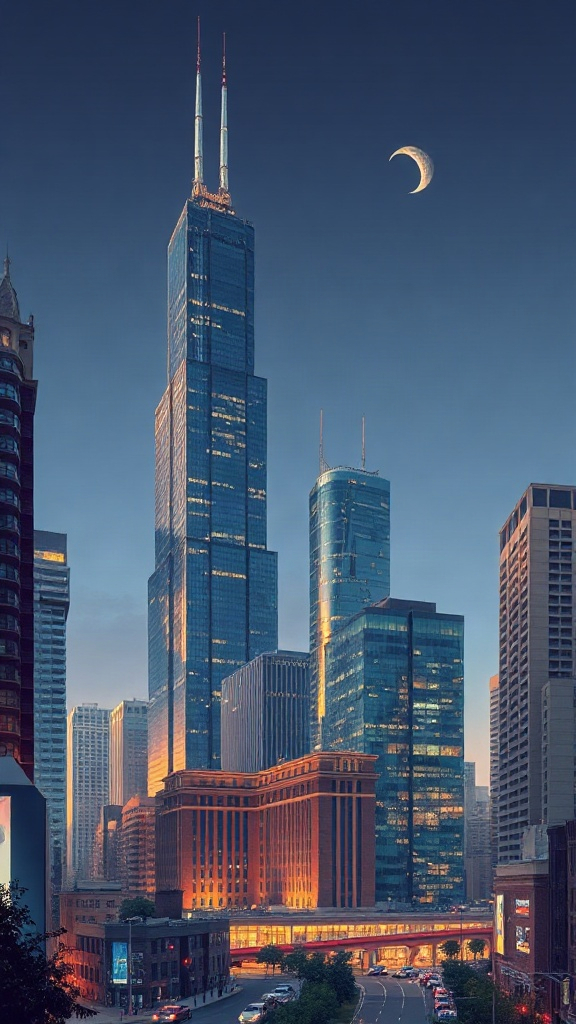
Chicago’s skyline tells a story of innovation. Architecture boat tours along the Chicago River remain one of the best ways to understand that story: glass-and-steel towers, historic skyscrapers, and modern design are illuminated by knowledgeable guides who point out key influences and design milestones. Walking the Riverwalk is another way to get close to the water, with cafes, public art, and pop-up performances lining the path.
Parks, lakefront, and outdoor life
The lakefront is a defining feature: an uninterrupted ribbon of beaches, parks, and bike trails stretches along Lake Michigan. The 18-mile lakefront trail provides one of the most scenic urban rides in the country; renting a bike is an easy way to see neighborhoods and skyline views. Millennium Park draws crowds to its art installations and free programming, while Lincoln Park and the sprawling Grant Park offer calmer green space and cultural destinations.
Food scene: more than the classics
Chicago’s culinary identity includes well-known specialties—deep-dish pizza, Chicago-style hot dogs, and Italian beef—yet the city’s food scene is far broader. Neighborhoods showcase global flavors from high-end tasting menus to casual taquerias, Ethiopian cafés, and inventive bakeries. Food halls and pop-up markets provide a sampler approach that’s perfect for curious eaters. For best results, mix one classic meal with several neighborhood discoveries.
Neighborhoods with character
Each neighborhood has a distinct personality. The Loop is the downtown core, home to major cultural institutions and theater districts. Wicker Park and Bucktown attract creatives with boutiques and lively nightlife. Pilsen is known for murals and Mexican-American culture; Logan Square and Avondale offer independent restaurants and music venues.
Exploring on foot or by short transit rides often reveals small bars, specialty shops, and local galleries that define Chicago life.
Culture and museums
Chicago’s museums and performing arts venues host world-class collections and dynamic programming. Art museums, science centers, and natural history institutions suit a range of interests. For live entertainment, theaters and music venues present everything from Broadway touring shows to experimental performances.
Getting around and practical tips
Public transit is reliable for navigating core areas—the elevated trains and bus network connect most neighborhoods.
Airports on the city’s edges are well-served by transit and shuttle options.
Weather can change quickly near the lake, so layering clothing and checking forecasts before outings helps keep plans flexible. Weekday mornings and evenings are busiest on public transit; allow extra time when traveling during peak periods.
Plan like a local
To experience Chicago beyond postcard views, explore one neighborhood per day, sample street food alongside a restaurant reservation, and take a morning walk along the lake before heading to a museum or tour.
Many attractions offer timed-entry or advance tickets—booking ahead for popular experiences reduces wait time and makes a day feel more relaxed.
Chicago remains a city of contrasts—urban energy and waterfront calm, culinary staples and continuous reinvention—so whether visiting for architecture, food, or neighborhoods, there’s always something new to discover.