
Chicago Business: Where Office Conversions, Logistics and Startups Are Shaping the Next Chapter
Chicago’s business landscape is changing fast, driven by shifting work habits, a rethinking of downtown space, and the city’s long-standing role as a transportation and logistics hub.
Companies, developers, and entrepreneurs are adapting to new demand patterns, and the result is a surge of creative opportunity across commercial real estate, tech, and small business sectors.
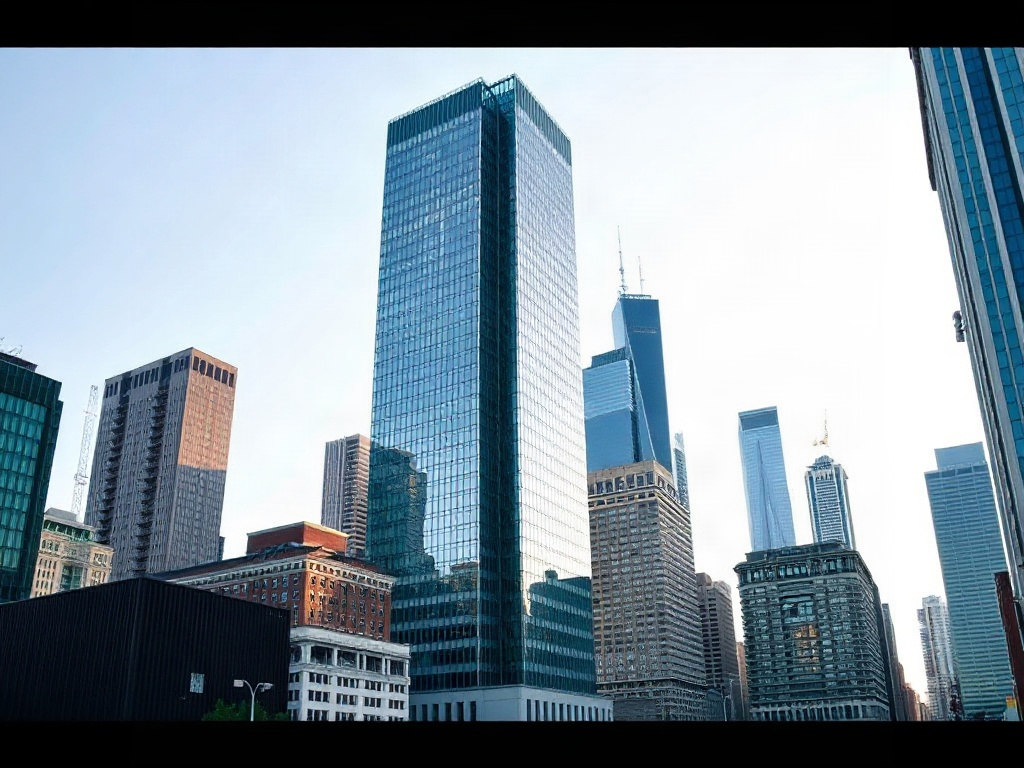
Office-to-residential and mixed-use conversions
With remote and hybrid work reducing traditional office demand, many property owners are reimagining underused towers and mid‑rise buildings.
Conversions into rental housing, affordable units, or mixed-use projects that add retail, community space, and amenities are becoming a core strategy for stabilizing downtown neighborhoods.
This shift not only addresses housing shortages but also brings foot traffic back to street-level businesses and supports more vibrant, 24/7 districts.
Commercial real estate in Chicago is therefore less about filling cubicles and more about creating adaptable space. Investors are prioritizing buildings with flexible floor plates, strong transit access, and the ability to add residential services or life-science labs. For landlords and tenants alike, the focus is increasingly on long-term utility rather than short-term office density.
Logistics, manufacturing and the distribution advantage
Chicago’s geography and infrastructure remain a huge asset.
Extensive rail connections, major highways, river access, and central air freight facilities keep the city at the heart of national distribution networks.
Growth in e-commerce and regional manufacturing has reinforced demand for industrial space—ranging from last-mile micro-fulfillment centers near population centers to larger logistics campuses along major transport corridors.
Companies looking to optimize supply chains often locate regional operations here to leverage transit options and access a broad labor pool. That creates opportunities for industrial landlords, cold storage providers, and freight-forwarding services.
Startups, tech hubs and talent clustering
Neighborhoods like the West Loop and parts of the Near North have evolved into tech and creative clusters, attracting startups, venture investors, and corporate innovation labs. A growing ecosystem of accelerators, co-working spaces, and university partnerships supports early-stage companies, particularly in fintech, health tech, and logistics technology.
For entrepreneurs, the city offers a favorable mix: access to corporate customers, a deep talent pipeline from universities and trade schools, and a citywide culture that values innovation. Strategic partnerships with larger firms and local governments can help startups scale faster.
Public investment and infrastructure
Ongoing infrastructure initiatives and airport modernization plans are keeping Chicago competitive for business travel and global trade. Improvements in transit, bike lanes, and streetscape projects also matter: they influence where workers want to live and where companies want to locate offices and retail.
Municipal incentives and zoning flexibility for redevelopment projects can accelerate transformations that benefit both neighborhoods and investors.
Small businesses and neighborhood resilience
Small and minority-owned businesses remain central to neighborhood identity and economic resilience. Community-focused programs, targeted grants, and streamlined permitting can help these enterprises recover and grow as neighborhoods densify. For restaurateurs, retailers, and service providers, proximity to converted residential buildings and revived commercial corridors offers a steady customer base.
What business leaders should watch and do
– Reassess space needs: prioritize flexibility and mixed-use potential.
– Tap logistics strengths: evaluate regional distribution strategies that leverage local transit infrastructure.
– Look for partnership opportunities: universities, accelerators, and municipal programs can provide capital or talent connections.
– Support neighborhood ecosystems: investing in local small businesses can boost foot traffic and community goodwill.
Chicago’s business future will be defined by adaptability. Developers, corporations, and entrepreneurs who align projects with evolving work patterns, transportation strengths, and local community needs will be best positioned to thrive as the city’s economy continues to reinvent itself.