
Chicago’s business landscape is undergoing a visible shift as office demand adjusts to hybrid work and developers look to repurpose underused assets.
The result: a wave of adaptive reuse projects, from office-to-residential conversions to new mixed-use buildings that blend housing, retail, labs, and community space. That evolution is reshaping downtown neighborhoods, offering fresh opportunities for investors, small businesses, and civic leaders.
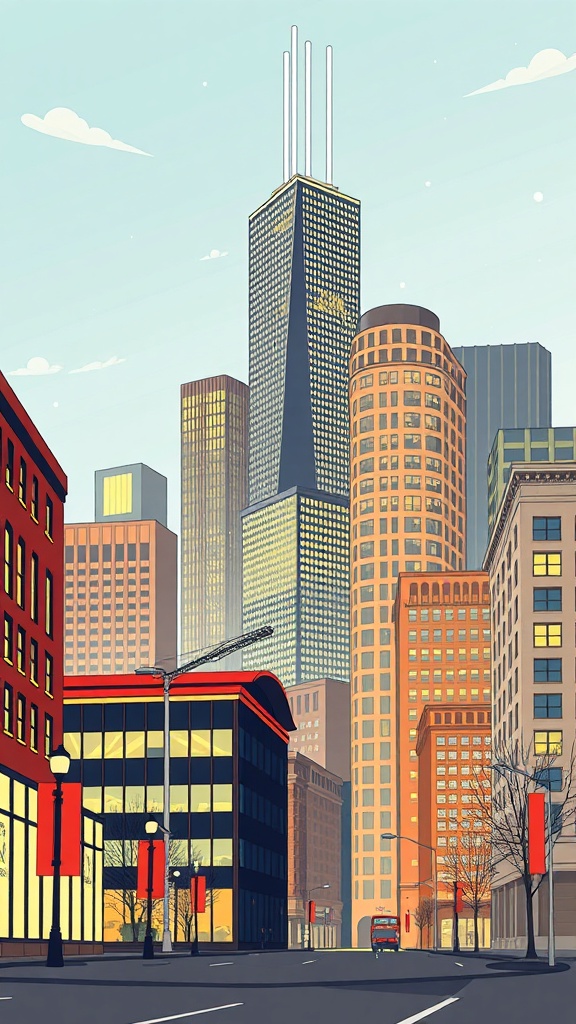
Why adaptive reuse is taking hold
Several forces are driving the move away from traditional single-use office stock. Many older towers no longer meet modern HVAC, energy, or amenity expectations, and tenants increasingly seek flexibility rather than large contiguous floorplates. At the same time, demand for centrally located housing—particularly rentals and workforce units—remains strong.
Public incentives, zoning tweaks, and financing tools that favor conversion over demolition make reuse financially viable.
Environmental benefits also matter: repurposing existing structures reduces embodied carbon compared with new construction.
What conversions look like
Office-to-residential projects vary in scale and design.
Some yield studios and one-bedroom apartments aimed at young professionals; others focus on micro-units or built-to-rent apartments with shared amenities. Ground floors often transform into retail, fitness centers, or co-working hubs that activate the street level. A growing number of projects incorporate life-science labs or creative-office space on lower floors where ceiling heights and floor plates permit. Successful conversions pay close attention to natural light, unit layouts, and access to transit.
Benefits and challenges
Adaptive reuse offers clear benefits: it addresses housing shortfalls, reinvigorates street life, and can be faster and greener than tearing down and rebuilding. Yet challenges are real.
Older buildings may require costly upgrades for plumbing, electrical, and seismic or accessibility compliance. Historic preservation rules can both protect character and complicate design. Financing can be complex: lenders and insurers assess conversion risk differently than new construction. Developers who navigate entitlement processes, tap tax credits, and partner with local stakeholders increase their chances of success.
Neighborhood impacts and equity
Conversions have ripple effects. More residents downtown can boost demand for neighborhood retail, restaurants, and services, supporting local entrepreneurs. But rising rents and gentrification risk displacing long-time residents in surrounding areas unless paired with policy safeguards and affordable-housing commitments.
Thoughtful strategies—community benefits agreements, inclusionary zoning, and targeted small-business support—help ensure redevelopment benefits are broadly shared.
What Chicago business owners and investors should consider
– Reassess real estate strategy: consider satellite hubs, smaller footprint offices, or shared workspace to align with hybrid teams.
– Watch zoning and incentive programs: municipal initiatives can change project economics and speed approvals.
– Prioritize flexibility: buildings that accommodate multiple uses retain value in changing markets.
– Partner locally: community engagement reduces opposition and can surface workforce or retail tenants.
– Invest in sustainability: energy upgrades and green certifications appeal to tenants and lower operating costs.
The broader opportunity
Adaptive reuse is more than a real estate trend; it’s a practical response to shifting work patterns and urban needs.
For Chicago business leaders, developers, and policymakers, the focus should be on projects that balance financial returns with community outcomes—creating lively, resilient neighborhoods that serve both the workforce and residents. Those who act thoughtfully now will shape a downtown that supports a diverse, modern economy and a healthier urban fabric for years to come.