
Chicago Business: Where Office Reinvention, Logistics, and Tech Meet
Chicago business leaders are navigating a landscape shaped by shifting office demand, robust industrial needs, and a deep pool of academic and talent resources.
The city’s strengths — central location, multi-modal transport, and diverse neighborhoods — continue to attract companies that want access to talent, customers, and distribution networks.
Office to mixed-use: a pragmatic pivot
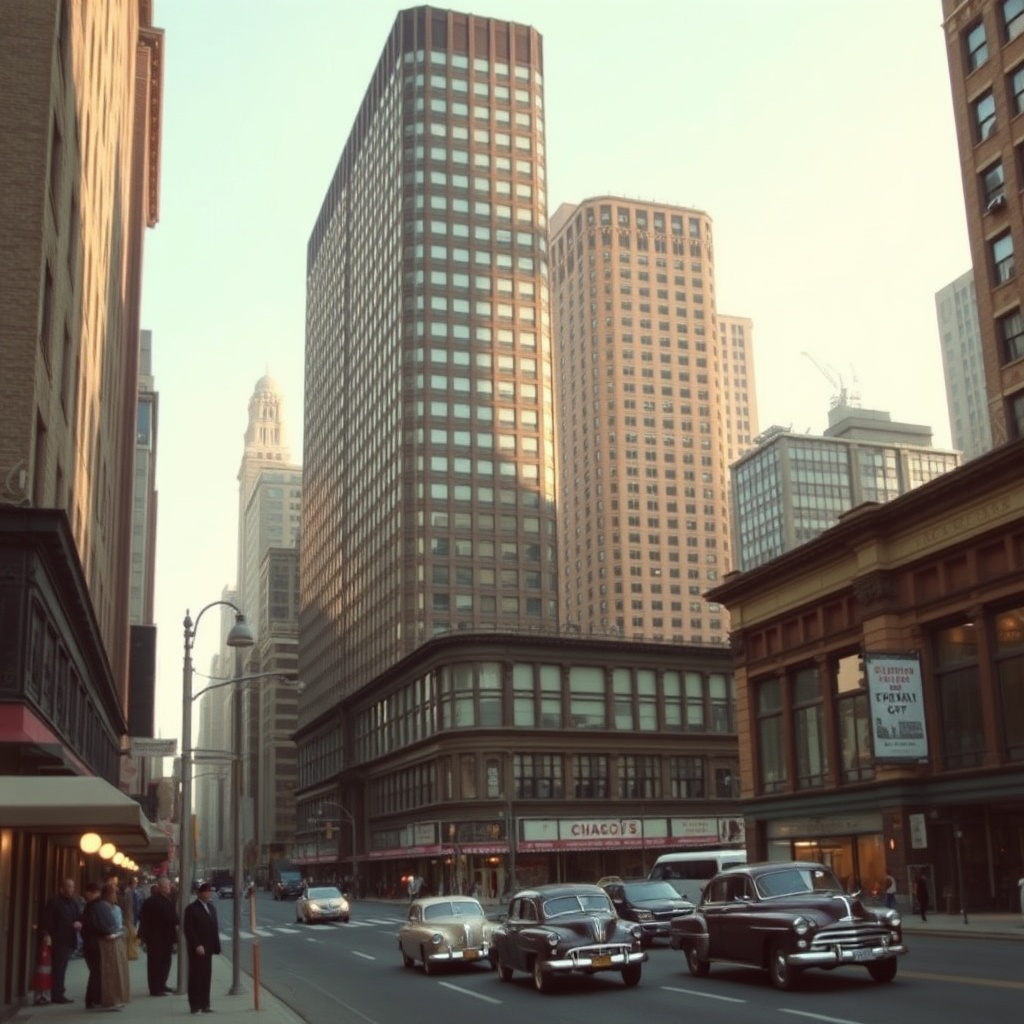
Downtown office occupancy patterns have prompted creative reuse rather than vacancy-driven decline. Across central and near-neighborhood corridors, developers are converting older office buildings into mixed-use assets that combine residential units, flexible workspace, retail, and cultural space. This trend helps stabilize property values, fills sidewalk-level storefronts, and supports the city’s 24/7 vibrancy that matters to hospitality and retail sectors.
Industrial and logistics: demand remains strong
Chicago’s logistical advantage — rail, river, interstate, and major airports — keeps industrial real estate attractive. E-commerce, last-mile delivery, and cold-chain requirements are driving demand for distribution centers within city limits and in near-suburban industrial parks. Businesses seeking efficient shipping routes and quick access to Midwest markets find Chicago’s infrastructure compelling.
Tech, startups, and talent ecosystems
A thriving university ecosystem and a growing network of accelerators and co-working hubs support tech and life-science startups. Incubators anchored in neighborhood innovation districts are producing companies that leverage Chicago’s mix of finance, healthcare, and manufacturing expertise. For employers, the advantage is twofold: access to skilled graduates and lower operating costs than some coastal markets.
Public incentives and private partnerships
Municipal tools like tax increment financing and targeted incentive programs continue to influence development decisions. Public-private partnerships are active in transit-oriented projects and neighborhood revitalization efforts.
Savvy businesses evaluate incentive packages alongside long-term demand forecasts to ensure projects meet both community and company goals.
Retail and hospitality: hyper-local strategies win
Retailers and restaurateurs that lean into neighborhood identity and local supply chains perform better than those relying on one-size-fits-all formulas. Pop-up concepts, experiential retail, and hybrid models (part cafe, part retail, part event space) are proving effective at engaging residents and visitors. Hotels are adapting by offering amenities for remote workers and small events as business travel patterns evolve.
Workforce considerations and commuting
Commuting patterns are more flexible than before: hybrid schedules are common, but proximity to transit and walkable neighborhoods still matters when attracting talent. Employers that offer commuter benefits, flexible schedules, and neighborhood-focused recruitment have an edge in retention.
What business leaders should do now
– Reassess real estate needs: consider mixed-use options, flexible leases, or suburban satellite offices near transit hubs.
– Leverage incentives strategically: evaluate local incentive programs and community-benefit requirements early in site selection.
– Prioritize talent pathways: partner with universities, vocational programs, and local incubators to build a pipeline.
– Embrace logistics advantages: optimize supply chain routing to exploit Chicago’s central connectivity.
– Invest in local marketing: neighborhood-focused branding and community partnerships drive loyalty.
Opportunities for investors and founders
Neighborhood revitalization projects, last-mile logistics, flexible workspaces, and health-tech ventures tied to local hospital systems represent active opportunity areas. Investors who pair capital with operational expertise and community engagement tend to see better long-term outcomes.
Chicago remains a pragmatic choice for companies balancing growth, distribution, and access to intellectual capital. Those who adapt space strategies, tap into workforce ecosystems, and align projects with neighborhood needs can capitalize on the city’s unique blend of scale and localism.