
The Chicago Cubs remain one of the most recognizable names in baseball, blending deep-rooted tradition with modern strategies for building a competitive team. For fans and casual observers alike, the club offers a compelling mix of historic charm, ambitious roster construction, and a fan experience centered on Wrigley Field and the surrounding Wrigleyville neighborhood.
Wrigley Field: charm and modern comforts
Wrigley Field stands out as a baseball cathedral where ivy-covered brick, the iconic marquee, and rooftop views create a singular atmosphere. At the same time, incremental upgrades to concessions, sightlines, and accessibility have modernized the ballpark without erasing its classic character. Attending a game means experiencing classic baseball rituals—bleacher seats, the seventh-inning stretch, and the buzz of nearby bars and restaurants—while enjoying improved amenities that make a long day at the ballpark more comfortable.
Team construction and player development
The organization balances veteran leadership with a steady pipeline of young talent. Front-office strategies emphasize data-driven scouting, international signings, and incremental development in the minor leagues to create sustainable depth.
Pitching development is a clear priority, with emphasis on building durable rotations and cultivating high-leverage relievers. On offense, the club looks for a mix of on-base skills, power potential, and defensive versatility to adapt across a long season.
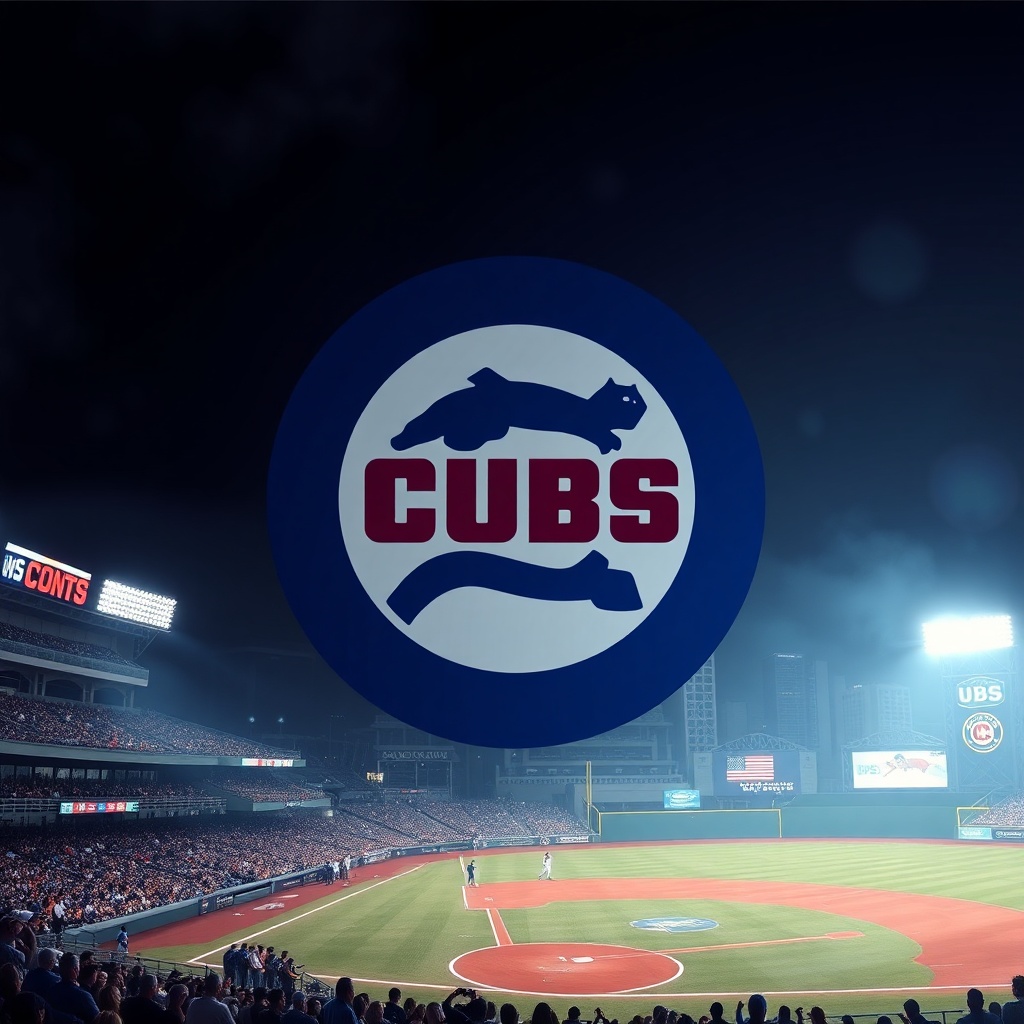
Prospects and depth matter
A strong farm system remains a focal point for long-term competitiveness. Prospects who can contribute at multiple positions help the club absorb injuries and make strategic midseason moves without sacrificing development. Player versatility—able to play both infield and outfield, or to start and relieve on the mound—adds valuable roster flexibility, giving the manager more options late in games and throughout a grueling schedule.
Fan culture and rivalries
Cubs fandom is marked by loyalty and optimism. Tailgating, neighborhood watch parties, and the bleacher chants create a community vibe that extends far beyond the park. Rivalries with nearby teams fuel passion and draw attention to key matchups that define the season for many supporters. Whether following from home or joining the crowd at Wrigley, fans play an active role in the team’s identity.
Practical tips for attending games
– Buy tickets early for high-demand weekend series and rivalry matchups.
– Public transit and rideshares are often faster than driving; Wrigley’s neighborhood can get congested.
– Explore rooftop seating for a unique perspective, but check policies and sightlines before purchasing.
– Arrive early to soak in the pregame atmosphere—local eateries and bars offer memorable pregame rituals.
Community impact and outreach
The organization is active in community initiatives, supporting youth programs, neighborhood improvements, and charitable partnerships. Those efforts strengthen ties with the city and underscore a commitment to using baseball as a platform for positive change.
What to watch going forward
Keep an eye on pitching depth emerging from the minors, the development of young position players adapting to major-league pitching, and how the team balances veterans with rising talent. Strategic in-season moves and how the front office manages service-time and roster flexibility will signal the club’s direction.
Whether you’re a lifelong supporter or a newcomer to baseball, following the Chicago Cubs offers a mix of historic tradition and modern baseball strategy. The blend of Wrigley’s atmosphere, an eye on player development, and a passionate fanbase keeps the franchise compelling for fans across generations.