
Chicago balances big-city energy with neighborhood warmth, offering a mix of architecture, green space, food, culture, and easy access to the lake.
Whether you’re visiting or rediscovering the city, here’s a practical guide to what makes Chicago vibrant and how to enjoy it like a local.
Neighborhoods that define the city
– Loop & River North: The core’s striking skyline and the Riverwalk draw first-time visitors. Wander along the river, pop into galleries and boutique shops, then catch sunset views from rooftop bars.
– West Loop & Fulton Market: A hotspot for innovative restaurants and adaptive-reuse architecture. Food halls and chef-driven spots sit alongside creative office spaces and galleries.
– Lincoln Park & Lakeview: Green spaces and family-friendly attractions mix with lively shopping streets and nightlife. Enjoy café culture, independent bookstores, and seasonal farmers’ markets.
– Pilsen & Logan Square: Known for vibrant street art, music venues, and diverse dining options, these neighborhoods are hubs for local creativity and community events.
Lakefront and outdoor life
Chicago’s lakefront is central to city life. The continuous trail system along Lake Michigan is great for biking, running, or a leisurely walk. Parks like Millennium Park and Grant Park host festivals, outdoor concerts, and public art — including the iconic reflective sculpture often photographed by visitors.
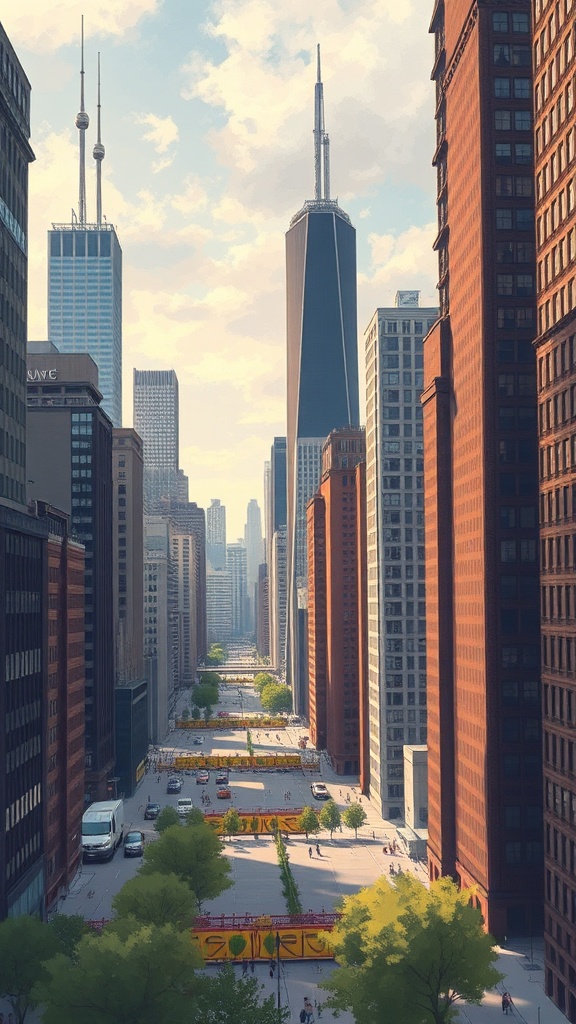
For a quieter escape, explore the city’s botanical gardens, nature preserves, and the less-trafficked beaches on the north and south sides.
Architecture and public spaces
Architecture tours remain a top draw. Boat tours along the Chicago River provide an approachable way to learn about the city’s architectural evolution.
Public spaces are increasingly designed for year-round use, with heated promenades, winter programming, and well-lit corridors that make exploring safer and more enjoyable after dark.
Transit tips and getting around
Public transit is convenient: a mix of trains, buses, and bike-share programs make it easy to move between neighborhoods. A contactless transit card works across systems and ride-share services fill gaps for late-night travel. If you plan to bike, use dedicated lanes and the extensive trail network; commuter-friendly options are available for short rentals.
Food scene highlights
Chicago’s culinary reputation extends well beyond deep-dish. Expect everything from chefs reinterpreting classic comfort food to inventive tasting menus, standout bakeries, and international markets. Neighborhood restaurants often reflect local communities’ heritage, offering authentic flavors at every price point. For a genuine experience, look for neighborhoods where residents eat — brunch spots, late-night diners, and weekday markets frequently reveal the best local finds.
Culture and events
Museums, theaters, and live-music venues form a lively cultural ecosystem. Outdoor festivals, art walks, and seasonal street fairs keep neighborhoods buzzing. Many institutions offer reduced-price or free admission days, making culture accessible to a broader audience.
Sustainability and city improvements
Chicago is investing in green infrastructure, transit upgrades, and public-space enhancements. Expect more pedestrian-friendly corridors, expanded bike networks, and riverfront improvements that prioritize access and environmental resilience.
Practical advice
– Dress in layers: weather near the lake can shift quickly.
– Reserve popular restaurants and tours in advance, especially on weekends.
– Use the city’s transit apps and neighborhood guides to plan routes and discover local gems.
– Be mindful of pedestrian and bike lanes to keep streets safe for everyone.
Chicago rewards curiosity. Venture beyond the headline attractions and you’ll find the neighborhoods, flavors, and hidden corners that give the city its character.