
Chicago’s irresistible blend of skyline drama, lakefront access, and neighborhood-level culture makes it a city that rewards repeat visits.
Whether you’re a first-time visitor or a local looking for fresh ways to explore, the city offers a compact mix of world-class architecture, vibrant food scenes, and outdoor spaces that unfold across distinct neighborhoods.
Start at the water: the lakefront and riverfront are where much of the city’s energy concentrates. The Lakefront Trail runs along miles of Lake Michigan shoreline, offering running, biking, and sweeping skyline views.
The Riverwalk threads through the central business district with cafes, public art, and seating areas that make the river feel like a neighborhood asset rather than a thoroughfare. Beaches, harbors, and pier attractions provide seasonal programming and easy photo ops—arrive early for quieter stretches and sunset for dramatic light on the high-rises.
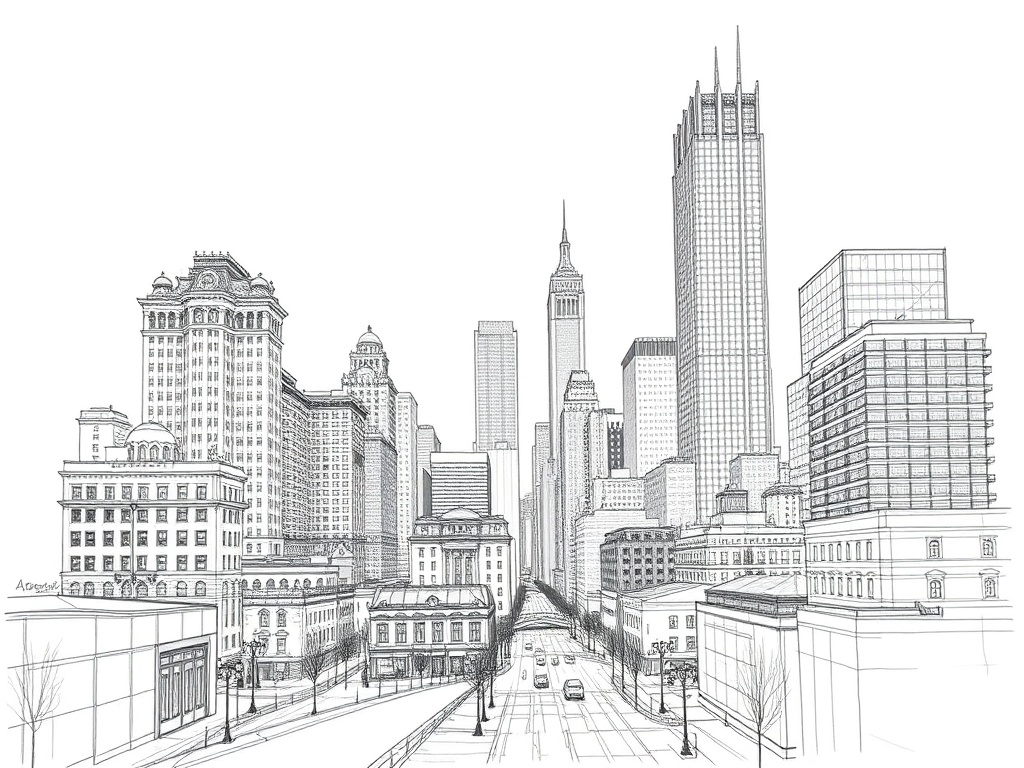
Architecture is a prime reason people come to Chicago. Architectural boat tours remain a top way to appreciate the city’s layering of styles, from historic masonry to cutting-edge glass towers. Don’t miss the major civic spaces: a peaceful pause at Millennium Park gives access to public art, lawn events, and the reflective sculpture often photographed by visitors. Strolling the Loop and adjacent streets reveals landmark buildings and hidden courtyards worth lingering over.
Food is a fast-moving conversation here.
While deep-dish pizza is an iconic staple, the city’s culinary reputation rests on diversity: neighborhood taquerias, inventive small plates, Korean-American banchan counters, and classic steakhouses coexist.
Farmers markets pop up across many neighborhoods, supplying top-tier produce to local chefs and home cooks alike.
For nightlife and live music, seek out intimate clubs in neighborhoods known for jazz, blues, and indie scenes.
Explore by neighborhood to get a sense of Chicago’s scale and personality:
– The Loop and River North: core attractions, museums, and nightlife.
– West Loop and Fulton Market: restaurant destinations and renovated industrial spaces.
– Lincoln Park and Lakeview: green spaces, family-friendly attractions, and boutique shopping.
– Pilsen and Little Village: murals, taquerias, and vibrant cultural institutions.
– Hyde Park: museums, university energy, and leafy streets.
Getting around is straightforward. A mix of elevated trains, buses, ride-shares, and bike-share services connects most destinations. Walkable neighborhoods reward slow exploration—allow time for detours into side streets and local shops.
If you plan to use transit frequently, consult official transit apps for real-time updates and consider contactless fare options for convenience.
Practical tips for an enjoyable visit:
– Dress in layers: lake winds can shift conditions quickly.
– Book popular tours and restaurant reservations in advance to avoid long waits.
– Carry a small umbrella—storms build fast over the lake.
– Stay aware of bike lanes and dedicated micromobility lanes when walking.
Sustainability and public space investment have reshaped many parts of the city, with more pedestrian plazas, softened waterfront edges, and improved stormwater design that helps protect neighborhoods. These enhancements make outdoor exploration more pleasant and accessible.
Chicago remains a city of contrasts: monumental public spaces alongside lively neighborhood streets, culinary ambition next to comforting classics. By combining iconic stops with time spent wandering lesser-known districts, you’ll experience both the headline attractions and the local rhythms that make the city feel lived-in and endlessly discoverable.