
Chicago’s riverfront has quietly become one of the city’s most transformative corridors, blending architecture, recreation, dining, and climate-smart design into a single, walkable experience. What once served primarily industrial commerce now draws locals and visitors alike to kayak launches, waterfront dining, art installations, and continuous promenades that connect neighborhoods from downtown to outer communities.
A living waterfront
The Chicago River’s reinvention is visible in the Riverwalk, an activated public space that threads under bridges and between skyscrapers.
Lined with seating, cafes, and small performance stages, the Riverwalk offers a compact urban escape where office workers, families, and tourists mingle. Public art and seasonal programming keep the waterfront dynamic, while water taxis and pedestrian bridges make it easy to access from multiple neighborhoods.
Active recreation and urban nature
Kayaking and small-boat rentals are more popular than ever, letting people experience the city from the water and see iconic architecture from a fresh angle. The river has also become a focus for ecological improvement: native plantings, shoreline stabilization, and habitat restoration projects aim to improve water quality and support local wildlife. Bike and pedestrian trails along the river and lakefront invite longer outings, connecting with parks, museums, and cultural districts.
Dining, hospitality, and neighborhood spillover
Riverfront dining continues to evolve beyond traditional tourist fare. Chefs are opening smaller, more creative eateries that emphasize seasonal produce, locally sourced seafood, and inventive cocktails. Nearby neighborhoods such as River North, the West Loop, and the South Loop benefit from foot traffic, supporting independent retailers, galleries, and nightlife venues. Outdoor dining and popup markets keep the scene lively through mild weather months.
Climate resilience and green infrastructure
As weather patterns shift and urban areas contend with heavier rainfall and heat, the riverfront has become a testing ground for resilience strategies. Permeable pavements, rain gardens, green roofs, and daylighted streams reduce runoff and cool urban heat islands. Planners and community groups are prioritizing multi-benefit projects that combine recreational access with flood mitigation and habitat improvements, so the river corridor can be both enjoyable and more capable of handling extreme weather.
Architecture, history, and design tours
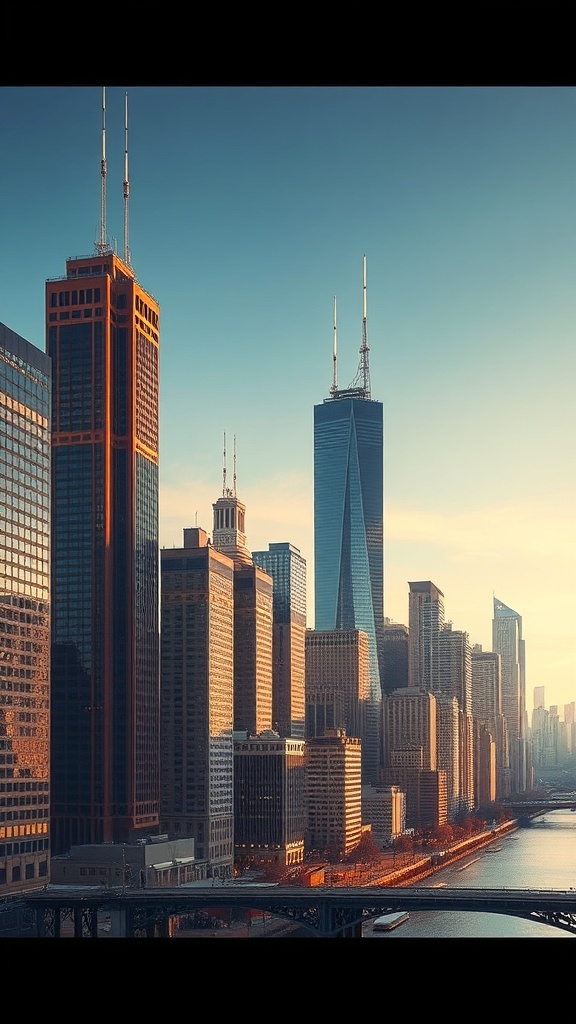
Architectural boat tours remain a must-do for visitors who want to learn why Chicago is celebrated for its skyline.
Walking tours highlight historic facades, adaptive reuse projects, and striking contemporary towers that frame the river.
Public spaces often showcase lighting and design elements that transform the waterfront after dark, making it a safe and scenic evening destination.
Getting there and practical tips
Public transit and bike-share systems make the riverfront easy to reach without a car.
For quieter experiences, visit early in the day or explore farther-flung sections of the river where trails are less crowded. Bring a reusable water bottle, wear layered clothing for variable weather, and check local listings for events like farmer’s markets, art walks, and live performances that activate the waterfront seasonally.
Why the river matters
The Chicago River’s revival demonstrates how urban waterways can be catalysts for healthier, more resilient cities.
By combining recreation, ecology, and smart design, the riverfront enriches daily life for residents while offering engaging experiences for visitors. Whether you’re here for architecture, a riverside meal, or a paddle through the city, the river now feels like an essential spine of urban life.