
Chicago remains a magnetic city for culture, food, architecture, and outdoor life.
With a skyline framed by Lake Michigan and a network of distinct neighborhoods, it’s easy to plan a trip that mixes iconic sights with local secrets. Whether you’re visiting for the first time or rediscovering the city, these practical tips and highlights help you make the most of Chicago’s energy.
Top attractions that define the city
Start at the lakefront where Millennium Park and the Cloud Gate (“The Bean”) offer picture-perfect moments and free public art.
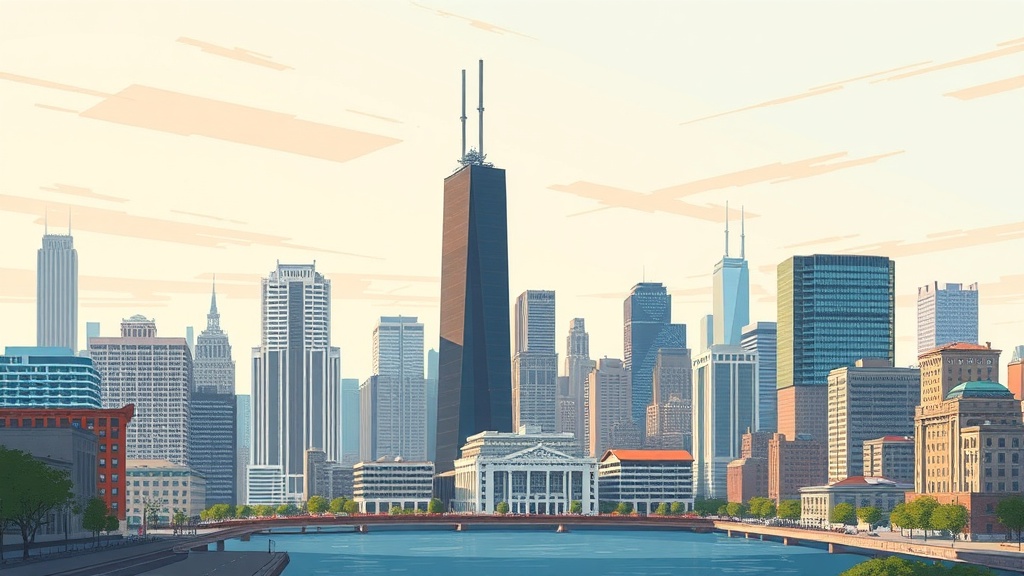
Walk east to the Lakefront Trail for uninterrupted views of the skyline and water; the path is ideal for biking or jogging. The Chicago Riverwalk provides a different perspective—dining terraces, public art, and boat tours that showcase signature architecture along the river.
Museums cluster near Grant Park: the Art Institute is a must for impressionist and modern collections, while natural history and science institutions offer immersive exhibits that appeal to all ages. Theater-goers will find a robust performing arts scene with Broadway tours, improv, and intimate neighborhood stages.
Neighborhoods worth exploring
Chicago’s neighborhoods are distinct in character. Wicker Park and Bucktown blend independent shops, music venues, and a lively dining scene. Logan Square and Humboldt Park are known for creative energy, street art, and farm-to-table restaurants. For classic city charm, stroll through Lincoln Park’s tree-lined streets and enjoy the conservatory and zoo. South Side neighborhoods add depth with cultural institutions, historic architecture, and food traditions rooted in long-standing communities.
A food scene that goes beyond deep-dish
Chicago’s culinary identity includes much more than its signature deep-dish pizza. Thin-crust tavern-style pizza, authentic ethnic eateries (Latin, Southeast Asian, Eastern European), and a thriving farm-to-table movement mean there’s something for every palate. Don’t miss sampling local hot dogs (no ketchup if you want to follow tradition) and exploring diverse neighborhood markets for handmade pastries, specialty coffee, and late-night bites.
Outdoor life and seasonal realities
Outdoor experiences are a highlight from warm-weather concerts and festivals to serene winter architecture walks.
The city’s park system, including Millennium Park and the expansive lakefront, is designed for seasonal use—bike rentals, kayak launches on the river, and rooftop patios appear when the temperature rises, while winter brings skating rinks and cozy indoor cultural programming.
Dress in layers and check weather forecasts before planning long outdoor excursions.
Getting around efficiently
Public transit, bike-share systems, and ride services connect most neighborhoods efficiently. The elevated trains and buses cover large swathes of the city, while walking remains the best way to soak in the architectural details downtown.
For tourists, timed-entry attractions and reservations at popular restaurants can save waiting time.
Smart travel tips
– Book museum and attraction tickets online to avoid lines.
– Use neighborhood restaurant recommendations from local guides rather than only chain listings.
– Explore beyond the central loop—some of the best food and art scenes are a few stops away on transit.
– Keep an eye on event calendars for neighborhood festivals and pop-ups that add local flavor.
Chicago combines big-city amenities with approachable neighborhoods, making it easy to design an itinerary that’s both classic and personal. Whether you’re drawn by architecture, food, or lakefront relaxation, the city rewards curiosity and a willingness to wander.