
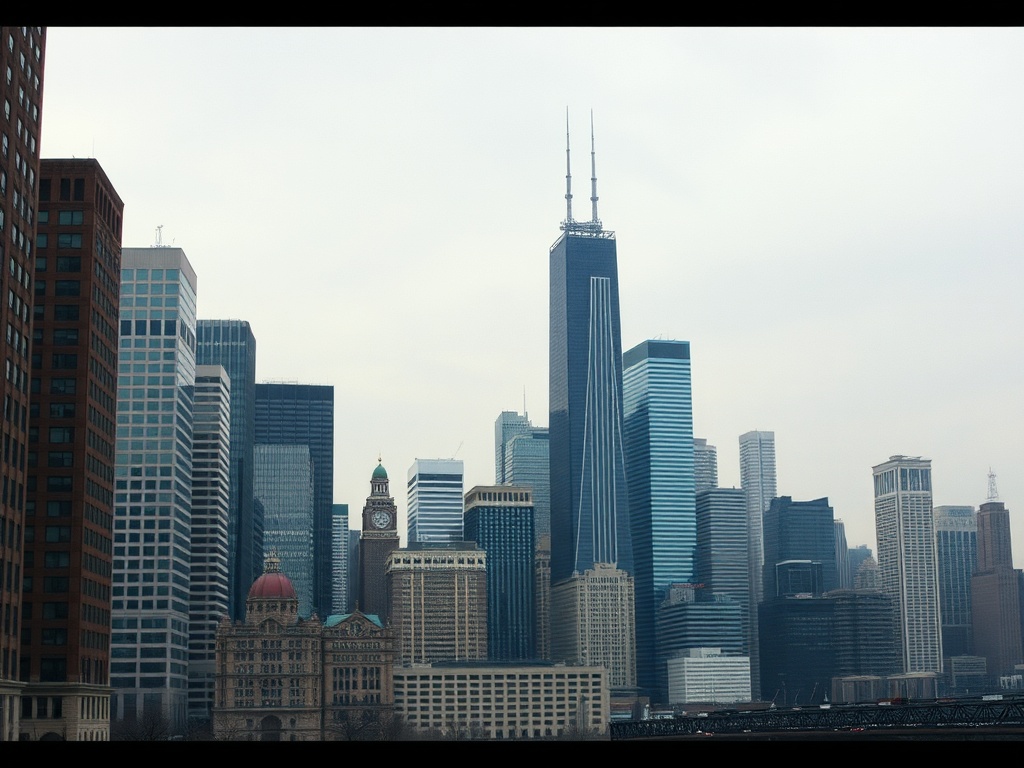
Chicago’s lakefront is where skyline drama meets urban resilience — a place for running, rowing, concerts and quiet reflection. Stretching along Lake Michigan, the lakefront and riverfront combine dynamic public spaces, active transportation routes, and ongoing restoration efforts that make the city a model for waterfront living and climate-forward planning.
Why the lakefront matters
The lakefront is central to Chicago’s identity. It’s a continuous ribbon of parks, trails and cultural anchors that provides access to water, views of the skyline, and recreation options for residents and visitors. Beyond leisure, these spaces play a vital environmental role: native plantings, shoreline stabilization, and green infrastructure reduce erosion, manage stormwater, and support wildlife while keeping the waterfront inviting.
Must-see spots and activities
– Millennium Park: Iconic public art and green space framed by the city skyline.
Arrive early to avoid crowds around popular photo spots.
– Lakefront Trail: A multi-use path that runs along the shore — perfect for cycling, running, or a long lakeside walk with uninterrupted water views.
– Navy Pier & Riverwalk: Entertainment, dining and lively events on one end of the lakefront, with the Riverwalk offering quieter stretches and riverfront cafés.
– Museum Campus: A cultural peninsula with museums and green space that’s ideal for a museum day followed by a picnic.
– 606 and neighborhood greenways: Elevated trails and converted rail lines connect inland neighborhoods to the lakefront, expanding active-transport options.
– Kayaking and boating: Rentals and tours let you experience the river and lake from the water; guided architecture tours offer a unique perspective on the city’s skyline.
How the city is protecting the shoreline
Efforts to strengthen the lakefront blend engineering with ecology. Shoreline restoration projects use natural materials and plantings to reduce wave impact and prevent erosion.
Permeable pavement, rain gardens, and restored wetlands help manage stormwater and reduce flooding in adjacent neighborhoods. Increasingly, planners prioritize multi-benefit designs that create resilient infrastructure while expanding recreation and habitat.
Practical tips for visitors and locals
– Layer clothing: Lake breezes can change quickly; lightweight layers keep you comfortable.
– Time your visit: Early morning and late afternoon offer softer light for photos and fewer crowds.
– Use transit or bike: Public transit connects to major lakefront access points and bike lanes make cruising easy. Bike-share and scooter options expand first-mile access.
– Respect wildlife and native plantings: Keep pets leashed in sensitive areas and stick to marked paths to protect restoration work.
– Pack water and sun protection: The shoreline reflects sunlight strongly, so sunscreen and hydration are essential.
Making the most of the experience
Whether you’re exploring public art, training on the trail, or watching the skyline change color at dusk, the lakefront is a living part of the city’s fabric.
Pay attention to planned events and pop-ups that often animate park spaces, and look for community-led restoration days if you want a hands-on way to support shoreline health. The combination of accessible recreation, cultural riches, and climate-forward planning makes Chicago’s waterfront a destination that rewards repeat visits.