
From the stylish elegance of traditional art deco to the sleek lines of modern design, Chicago is a city whose identity is woven into its architectural fabric. Known worldwide for its spectacular skyline, today we delve into the architectural marvels that make Chicago an absolute must-visit for design enthusiasts and history buffs alike.
Chicago has been a playground for architectural innovation, its landscape studded with iconic structures that speak volumes about the city’s past and its vision for the future. Currently, the city is filled with a plethora of architectural styles that coalesce harmoniously to form a visually stunning cityscape.
First, let’s zoom into the Chicago River, a prime location that offers stunning views of Chicago’s architectural prowess. Along its banks, you’ll find Marina City, a pair of concrete towers with a distinctive corn-cob shape. These residential high-rises stand out for their design innovation and provided a blueprint for urban living when they were initially constructed.
Not far from Marina City, the Willis Tower, previously known as the Sears Tower, pierces the sky. It’s a testament to the city’s love for towering structures and stands as a symbol of Chicago’s economic power. It was once the tallest building in the world and offers a Skydeck experience that provides breathtaking panoramic views of the city, a treat for any urban explorer.
Just a stone’s throw away from Willis Tower, the 150 North Riverside captures the eye with its unique, sloping design. Its slimmer base expands upwards into a broad, rectangular structure, creating an illusion of defying gravity. This building is a demonstration of how modern technology can push the boundaries of what’s architecturally possible.
Chicago’s architectural journey is not limited to the modern.
The city’s roots in classic architectural styles are evident in buildings like the Chicago Water Tower. This limestone structure, styled in a Gothic Revival design, remains a symbol of Chicago’s resilience, being one of the few structures to survive the Great Chicago Fire.
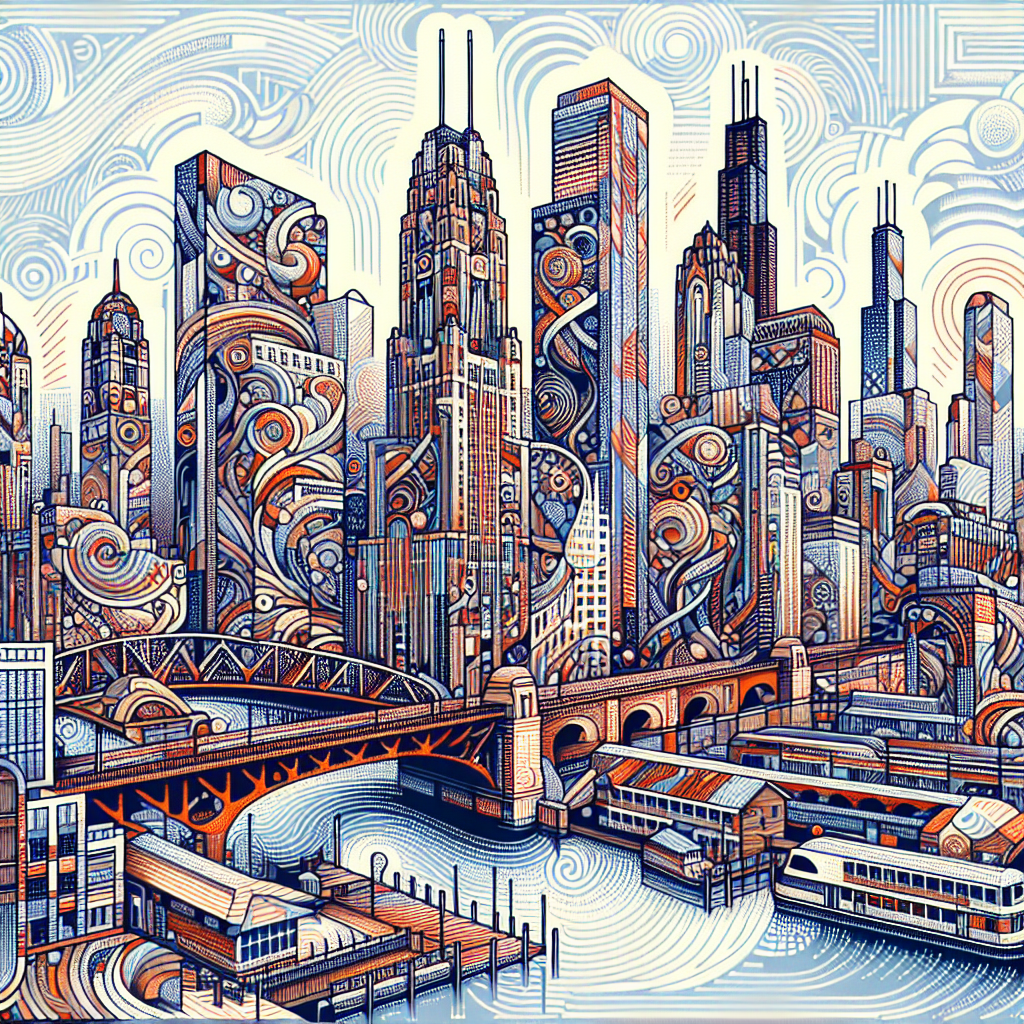
Today, it stands as an iconic contrast against the backdrop of Chicago’s modern skyline.
For aficionados of modernist architecture, Chicago offers gems like the Farnsworth House, located just outside the city.
This single-room weekend retreat, designed by Mies van der Rohe, is a perfect embodiment of the “less is more” philosophy, with its open layout and minimalist design.
Chicago’s architectural scene is also a testament to its commitment to green and sustainable design. Recently, more and more structures in the city have been designed with a focus on environmental sustainability. The Aqua Tower, with its undulating façade designed to minimize wind resistance, is a perfect example. The building’s outdoor terraces also serve as habitats for native bird species, adding a touch of nature to the urban landscape.
No discussion of Chicago’s architecture is complete without mentioning the Art Institute of Chicago. Home to thousands of works of art, the building itself is a piece of art. Its Beaux-Arts style facade, complete with grand lion statues at the entrance, adds a touch of classical elegance to Chicago’s eclectic architectural mix.
Evidently, Chicago’s architectural scene is as diverse as it is impressive. Each structure, with its unique design and distinctive story, contributes to the city’s rich architectural tapestry. Whether you’re an architectural enthusiast, a history buff, or simply a curious traveler, Chicago’s architectural treasures are waiting to be discovered and appreciated. Today, tomorrow, and always, the Windy City stands as an enduring testament to the power of design and the resilience of human spirit.