
Chicago’s real estate market is quietly reinventing itself as office-to-residential conversions become a key strategy for revitalizing downtown and near-downtown neighborhoods. As companies adopt hybrid work and demand for traditional downtown office space softens, property owners and developers are turning vacant or underused commercial buildings into apartments, condos, and mixed-use projects. This shift is reshaping neighborhoods, opening new opportunities for investors, and giving local businesses a fresh customer base.
Why conversions make sense in Chicago
– Strong transit backbone: CTA lines, Metra rail, and regional highways give converted buildings excellent access to jobs and amenities across the metro area, appealing to renters and owners who prioritize transit-oriented living.
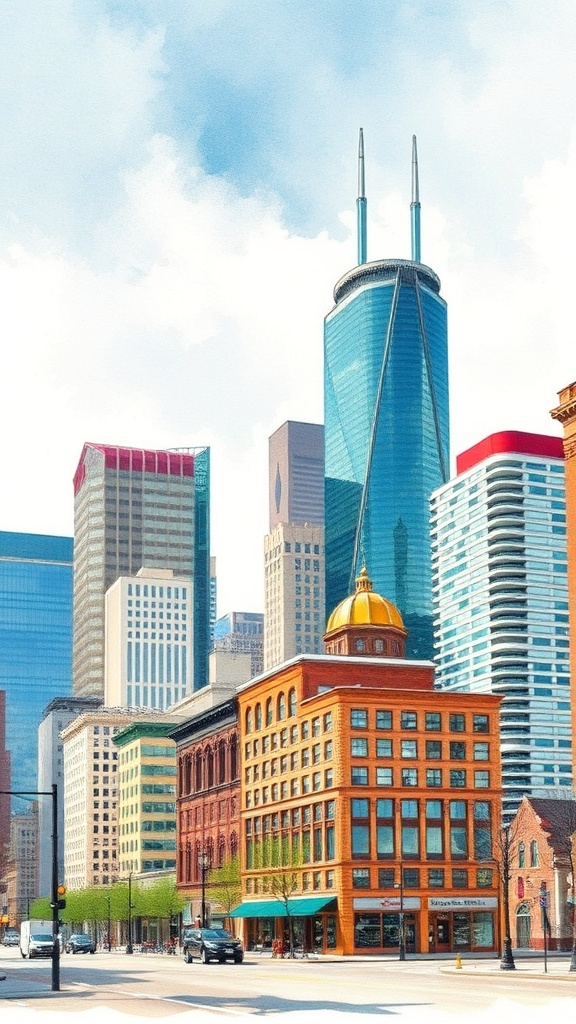
– Built-in infrastructure: Many office buildings already have robust mechanical systems, high ceilings, and open floorplans that can be adapted into modern residential layouts while preserving architectural character.
– Neighborhood momentum: Areas that combine creative office clusters with food, retail, and nightlife—like parts of the West Loop, River North, and South Loop—are natural winners, blending urban convenience with high walkability.
Benefits for neighborhoods and small business
Adaptive reuse projects often spark street-level activation. Ground-floor retail and dining concepts move into former lobbies and storefronts, increasing foot traffic and supporting local entrepreneurs. New residential density can stabilize demand for services like fitness studios, grocery options, child care, and healthcare clinics—services that strengthen a neighborhood’s long-term appeal.
Sustainability and preservation
Conversion projects can be greener than ground-up construction. Reusing existing structures reduces embodied carbon associated with demolition and new materials, while creative design can upgrade energy efficiency through better insulation, modern HVAC, and smart building systems. Historic façades get preserved, maintaining the city’s architectural identity.
Challenges developers should anticipate
– Floorplate constraints: Large, deep office floorplates can complicate natural light and unit layout. Successful conversions often require creative unit mixes, internal light wells, or perimeter-focused units.
– Parking and infrastructure: Conversions must reconcile changing parking needs with municipal codes and neighborhood expectations. Proximity to transit reduces the need for parking, but older buildings may require retrofit planning.
– Financing complexity: Lenders and investors evaluate conversions differently than new construction. Demonstrating demand, regulatory approvals, and realistic timelines is critical for securing favorable financing.
– Affordability and community impact: Rapid conversions can accelerate neighborhood change. Collaborating with local stakeholders, including efforts for affordable units or community benefits, helps balance growth with equity.
What investors and community leaders should watch
– Incentive programs and zoning flexibility that accelerate adaptive reuse
– Transit-oriented projects that link residential conversion with access to CTA and Metra
– Local retail demand to support ground-floor activation and sustain small businesses
– Sustainability incentives that reduce operating costs and attract eco-conscious residents
Actionable steps for developers and entrepreneurs
– Conduct a market-first feasibility study focused on unit mix, rent or sale price targets, and neighborhood amenities.
– Engage the community and local alderman early to streamline approvals and build goodwill.
– Partner with experienced adaptive-reuse architects to optimize light, circulation, and mechanical upgrades.
– Explore flexible retail concepts for ground floors—pop-ups, shared kitchens, and co-retail formats can reduce risk and attract diverse tenants.
Chicago’s pivot toward converting office buildings into housing is more than a real estate trend; it’s a strategic response to evolving work patterns and consumer preferences. When projects are thoughtfully executed—balancing design ingenuity, community needs, and sustainability—they can breathe new life into durable urban fabric and create neighborhoods that serve residents, workers, and small businesses alike.