
Wrigleyville energy, historic charm and a clear focus on building for sustained success keep the Chicago Cubs at the center of baseball conversation.
Whether you’re a lifelong fan, planning a first visit to Wrigley Field, or tracking the Cubs lineup and prospect pipeline, here’s what matters most for enjoying games and understanding the club’s direction.
Wrigley Field: timeless ballpark, modern amenities
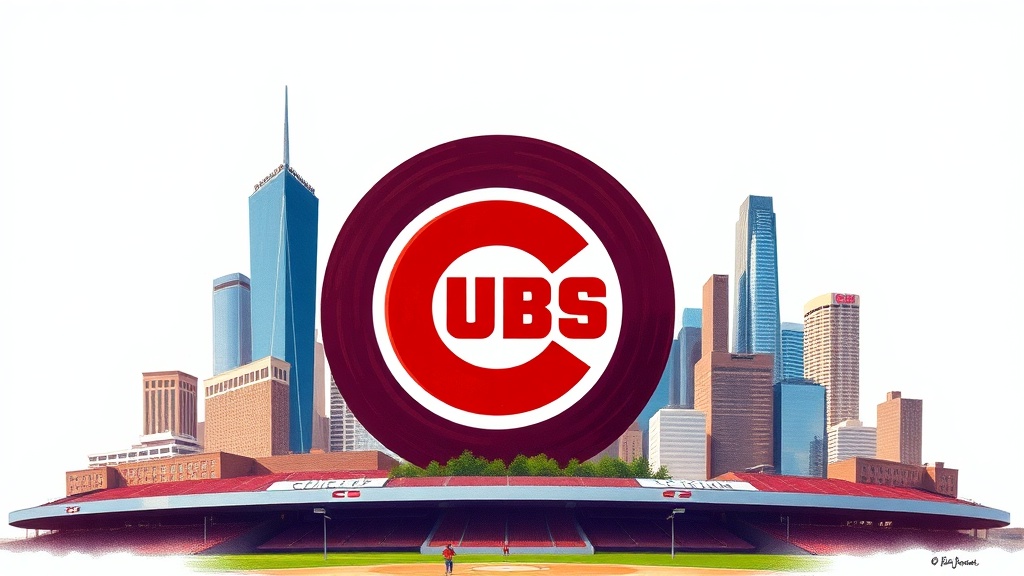
Wrigley Field remains one of baseball’s best-loved stadiums because it balances old-school character with thoughtful upgrades.
The ivy-covered outfield walls and hand-operated scoreboard are still iconic, while behind-the-scenes improvements have enhanced sightlines, concessions, and accessibility. For visitors, the combination of historic charm and modern comfort means unique photo ops and a surprisingly good game-day experience for families and small groups.
Traditions that define the atmosphere
Cubs fandom is built on rituals. The seventh-inning stretch sing-along, led by a guest conductor, unites the crowd in a way few ballparks can match. Rooftop seats across from the ballpark deliver a one-of-a-kind view and neighborhood vibe that extends the game-day experience into surrounding bars and eateries.
Expect a loud, passionate crowd and plenty of local color in Wrigleyville before and after games.
How to experience a game like a local
– Arrive early to explore the plaza and grab a pregame bite at nearby restaurants.
– Use public transit for the easiest access; the ballpark sits within walking distance of major transit lines.
– If rooftop tickets are within budget, they offer an iconic, social way to watch the Cubs lineup.
– Pack layers—weather can shift quickly and Wrigley Field is exposed to Lake Michigan breezes.
– Bring a camera for the scoreboard and ivy shots, but leave large bags at home to speed entry.
Roster building and player development
The organization has emphasized a balanced approach to roster construction: a mix of veteran leadership, homegrown talent from the farm system, and targeted acquisitions. Analytics and player development play big roles in identifying and accelerating prospects who can impact the major-league club. Fans tracking the Cubs prospects should watch for breakout performers at Triple-A and in spring competitions, as those players often shift the team’s depth chart midseason.
Pitching depth and strategic matchups
Successful teams often marry a reliable rotation with a flexible bullpen. The Cubs are no exception—strategic bullpen usage, left-right matchup planning, and bullpen depth through trade or internal promotion are frequent themes.
Stretch runs tend to reward clubs that manage workloads well and adjust quickly to injuries or slumps.
Community and culture
The club’s community programs and neighborhood partnerships keep the team connected to Chicago beyond game days. From youth baseball initiatives to charitable efforts, these programs reinforce the idea that the Cubs are an integral part of city life and local development.
What to watch next
Keep an eye on in-season moves and pitching health—those factors tend to influence playoff pushes and midseason trades.
For fans focused on long-term viability, the performance of young players and the success of development initiatives will indicate whether the club can sustain competitiveness.
For anyone planning a visit or following the team, the Chicago Cubs experience blends nostalgia with modern baseball strategy. That mix of past and present is what keeps Wrigleyville buzzing and makes every game worth watching.