
Chicago’s magnetism comes from a rare mix of bold architecture, lakefront green space, neighborhood personality, and a food scene that satisfies every appetite. Whether you’re planning a short visit or rediscovering the city as a local, there’s a lot to explore beyond the postcard skyline.
Start with the lakefront. The Chicago Lakefront Trail and connected parks offer miles of waterfront for walking, running, cycling, and paddling. The revitalized Riverwalk winds alongside the Chicago River with cafes, public art, and seating areas that invite people-watching. Public beaches and piers provide easy access to the water, while shoreline projects and green infrastructure help protect the city from flooding and heat during hot months.
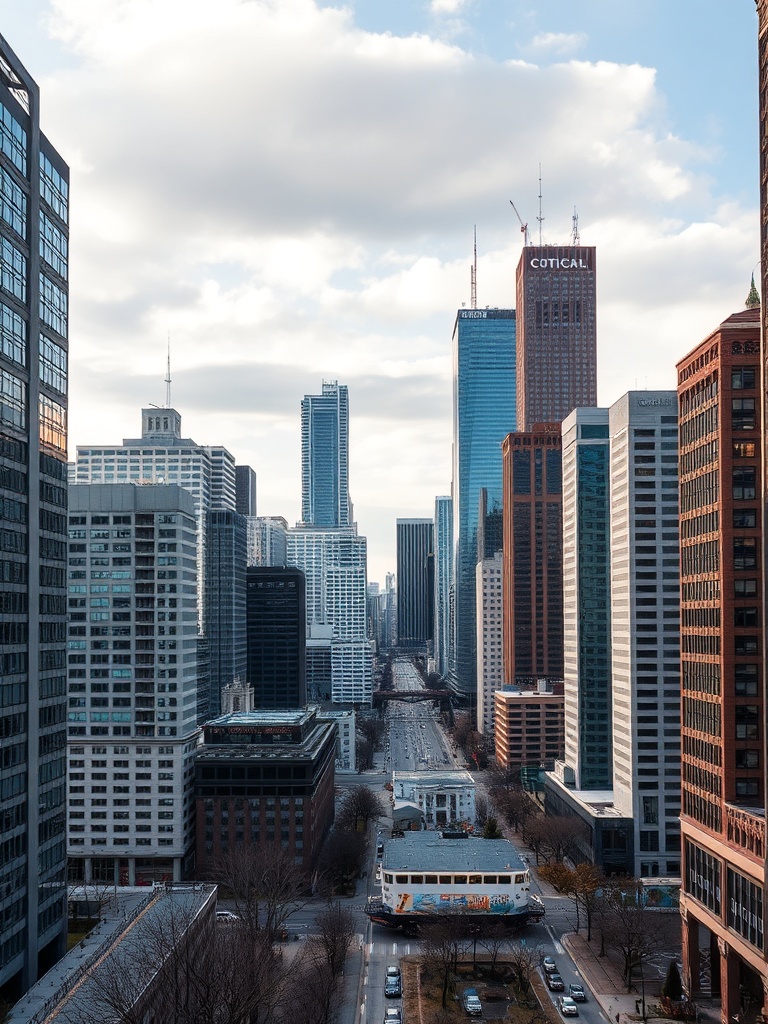
Architecture is central to the city’s identity.
Guided boat tours remain one of the best ways to learn how Chicago shaped modern skyscraper design, from early steel-frame buildings to contemporary glass towers. Public spaces like Millennium Park showcase large-scale art and programming, while neighborhood streets reveal a mix of historic brownstones, bungalows, and adaptive reuse in converted warehouses and factories.
Neighborhoods are where the city’s character truly comes alive.
River North and the West Loop feature galleries and a dense restaurant scene—including many of the city’s most talked-about chef-driven spots—while Logan Square and Wicker Park offer indie shops, cafes, and lively nightlife. For cultural depth, neighborhoods like Pilsen and Chinatown provide immersive food, murals, and community festivals. Lincoln Park and Hyde Park are great for families, thanks to free cultural institutions and green space.
The food scene ranges from classic comfort to refined tasting menus. Deep-dish pizza remains a must-try for first-timers, but the city’s culinary reputation has expanded to include a strong presence of contemporary American, Mexican, Asian, and fusion kitchens. Farmers markets and neighborhood bakeries serve fresh, local ingredients, and late-night options keep the city buzzing after dark.
Getting around is convenient with an extensive public transit network of trains and buses that connect downtown to outlying neighborhoods. Bike-share stations and protected bike lanes make shorter trips easy; for longer rides or late-night returns, rideshare options and commuter rail links are widely available. Downtown is highly walkable, so plan some routes on foot to soak in architectural details and pop-in shops.
Culture and recreation are year-round draws. Museums, live theater, and music venues host diverse programming, while outdoor festivals, open-air concerts, and street fairs activate public spaces during warmer months. Sports fans can catch games with passionate local followings and enjoy the neighborhood rituals that come with game-day experiences.
Practical tips: pack layers—lake breeze can change weather quickly—wear comfortable shoes for cobblestone streets, and download local transit apps for schedules and payment options. For dining and popular tours, reservations for peak times are advisable. Stay aware of belongings in crowded areas and follow local guidance for safe travel.
Chicago keeps evolving while staying true to its core strengths: bold design, abundant public space, a passionate food culture, and neighborhoods that reward slow exploration.
Whether you’re after iconic sights or lesser-known corners, the city offers a dynamic mix of urban vitality and approachable charm.