
Why Chicago Continues to Captivate Visitors and Residents
Chicago blends bold architecture, a dynamic food scene, and an active outdoors culture to create a city that rewards repeat visits and long-term living. Whether you’re planning a weekend trip or considering a neighborhood move, there’s a lot to explore across lakefront parks, diverse communities, and cultural institutions.
Architecture and the skyline
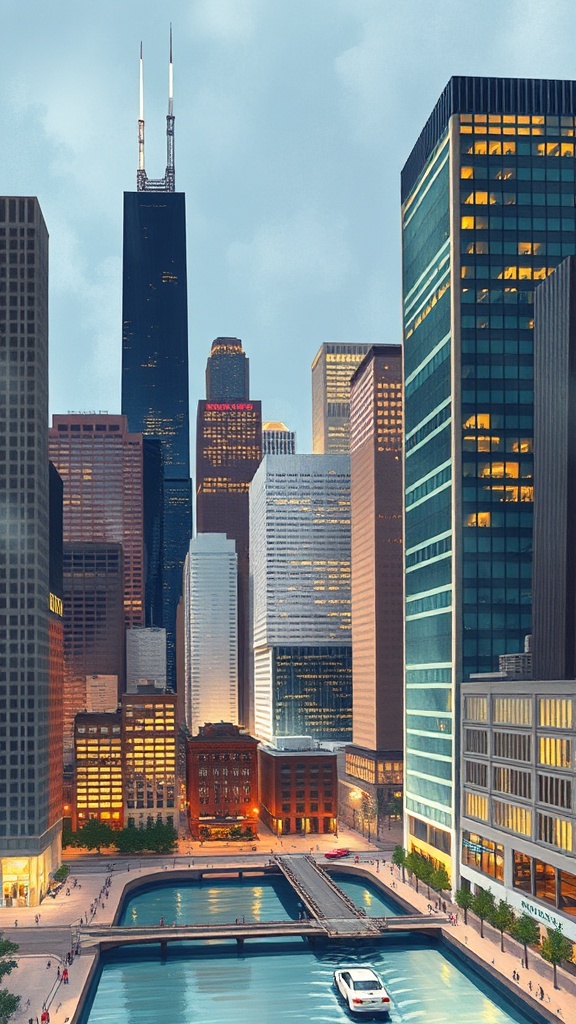
Chicago’s skyline reads like an architecture primer: classic skyscrapers sit alongside glass-and-steel modern towers, public art anchors plazas, and riverwalk improvements make the Chicago River a focal point for strolling and dining. Guided river architecture cruises remain one of the best ways to appreciate design details and urban planning choices that shaped the city. Iconic buildings and neighborhood-scale gems coexist across downtown and inner neighborhoods, offering visual variety at every turn.
Food and neighborhoods
Food is central to Chicago’s identity. Signature bites like deep-dish pizza, Italian beef sandwiches, and Chicago-style hot dogs are essential for first-time visitors, while neighborhoods serve up global flavors that reflect the city’s immigrant communities. West Loop and Fulton Market continue to draw fine-dining attention, while pockets such as Chinatown, Pilsen, Little Italy, and Andersonville deliver authentic, neighborhood-driven experiences.
Food halls and markets provide convenient options for groups and for sampling multiple cuisines in one stop.
Parks, lakefront, and outdoor life
Lake Michigan’s shoreline is an enormous public asset. Expansive beaches, the Lakefront Trail for walking and cycling, and waterfront parks host fitness classes, picnics, and people-watching. Neighborhood parks and greenways, plus elevated trails that repurpose old rail lines, create connected corridors for commuters and recreational users alike. The city’s commitment to expanding green infrastructure and improving access to waterfront spaces is visible in ongoing park upgrades and new public plazas.
Arts, museums, and live entertainment
Major cultural institutions anchor the city’s museum and performance scene, while independent galleries and music venues fill in a lively local circuit. From world-class museums with broad collections to neighborhood theaters and jazz clubs, there’s an event or exhibition to match varied tastes.
Seasonal festivals, parades, and outdoor concerts keep public life active during warmer months, and indoor programming remains robust year-round.
Mobility and accessibility
Public transit and multi-modal options make navigating the city feasible without a car. Trains and buses connect downtown to neighborhoods across the city, and bike-share systems, scooters, and improved bike lanes have expanded short-trip options.
Two major airports provide strong domestic and international connectivity, making Chicago a convenient hub for business and leisure travel.
Economy and innovation
Chicago’s economy is varied and resilient, anchored by finance, healthcare, logistics, education, and an evolving tech and startup scene. Universities and research institutions feed local talent pipelines, while co-working spaces and accelerators support entrepreneurs. Neighborhood commercial corridors continue to adapt, with small businesses and creative enterprises shaping local character.
Practical tips
– Explore neighborhoods on foot or by bike to uncover local bakeries, murals, and small galleries.
– Book popular river architecture tours and museum entry in advance when possible.
– Use transit apps for real-time updates and plan extra time for weekend events or game days.
– Seek out neighborhood cafés and markets for more affordable and authentic dining than downtown hotspots.
Chicago’s appeal comes from its layered neighborhoods, cultural diversity, and urban amenities that invite continued discovery. Whether drawn by food, architecture, outdoor recreation, or business opportunities, visitors and residents find plenty to see, taste, and do across the city’s vibrant landscape.