
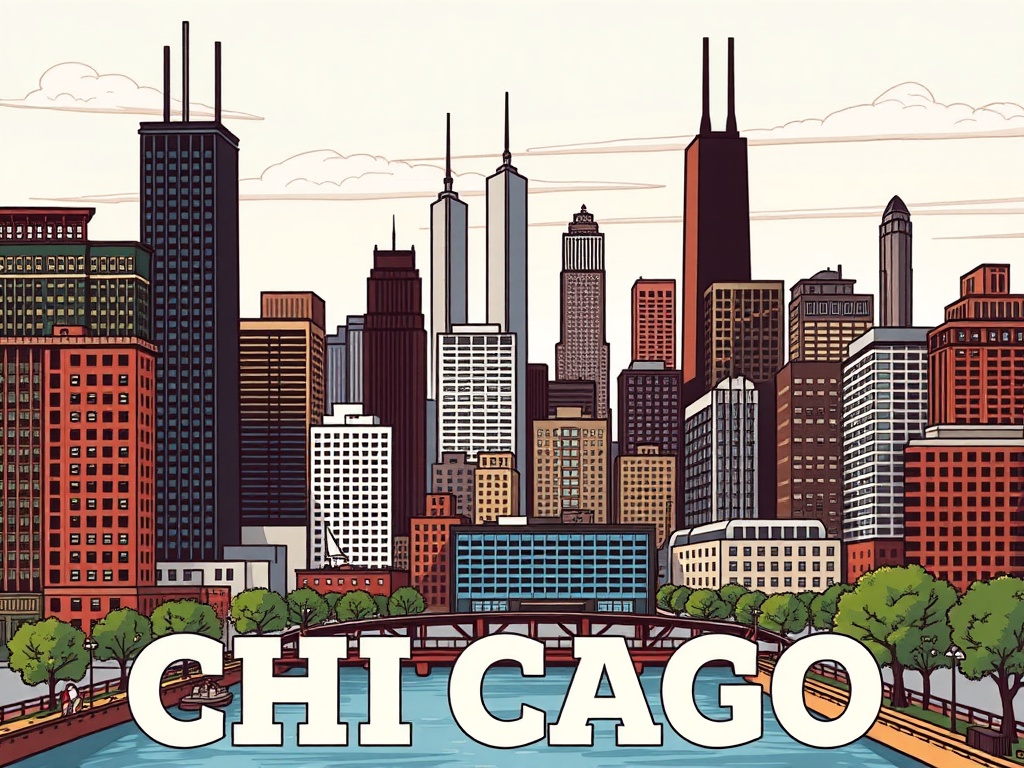
Chicago’s skyline is one of the most recognizable in the world, but the city’s architectural story goes far beyond skyscrapers. A mix of historic landmarks, groundbreaking modern design, and vibrant neighborhoods makes Chicago a living museum for anyone who loves buildings, urban planning, or simply good city vibes. Here’s a practical guide to exploring Chicago’s architecture and getting the most out of your visit.
Why Chicago architecture matters
Chicago played a pivotal role in the development of modern architecture. From early steel-frame skyscrapers to influential residential designs, the city is rich with innovations that shaped skyline design worldwide. Walking or touring Chicago offers insight into construction techniques, stylistic transitions, and how architecture interacts with public space.
Top experiences
– River architecture cruise: The best introductions often come from the water. River architecture tours highlight landmark façades, reveal the stories behind riverfront development, and show how engineering solved urban challenges. They’re ideal for first-time visitors and repeat fans alike.
– Millennium Park and Cloud Gate: This pedestrian-friendly plaza anchors the downtown experience.
Public art, curated green space, and accessible plazas make it a popular stop for photos and relaxing between tours.
– Observation decks: For panoramic city views, head to one of the major observation decks. They offer a unique perspective on the grid, the lakefront, and the way light plays across different materials and eras of construction.
– Neighborhood strolls: Explore beyond the Loop. Lincoln Park, the Gold Coast, Wicker Park, River North, and the South Loop each reveal distinct architectural flavors—from Victorian row houses and brick bungalows to converted industrial lofts and contemporary infill projects.
– Frank Lloyd Wright nearby: A short trip takes you to notable residential works that help explain Wright’s influence on domestic architecture.
These sites pair well with a day that mixes city and suburban perspectives.
Practical tips
– Book tours in advance: Popular river and architecture tours can sell out on busy days. Reserving ahead secures your preferred time and often locks in better pricing.
– Use public transit: The elevated ‘L’ and CTA buses are efficient, affordable ways to move between districts, plus they add to the urban experience. Many architecture highlights are within easy walking distance of stations.
– Time your visits: Early mornings and late afternoons reduce crowds and produce better light for photos. Weekdays are generally quieter than weekends.
– Layer up: Chicago’s weather can shift quickly. Comfortable shoes, a light waterproof layer, and sun protection will keep you ready for outdoor walking.
– Check for special exhibitions and open houses: Museums and local architecture centers frequently host talks, temporary exhibits, and building open days that deepen the context for what you’ll see on the streets.
Why slow travel pays off
Taking time to sit in a park, cross a bridge, or ride a neighborhood bus reveals how people use and adapt architectural spaces in daily life. Chicago’s architecture is not just aesthetic; it’s civic infrastructure, history, and culture all at once.
Whether you’re planning a focused architectural itinerary or weaving design stops into a broader city visit, Chicago rewards curiosity. Map a route, pick a few neighborhoods, and let the buildings tell their stories as you walk through them.