
Chicago’s Waterfront Revival: Where Nature, Design, and City Life Meet
Chicago’s lakefront and riverfront are prime examples of urban spaces reinvented to prioritize recreation, resiliency, and community connection. Stretching along Lake Michigan and winding through the city, these waterfront corridors offer a mix of curated green spaces, pedestrian-first promenades, active transportation routes, and cultural attractions that make them must-visit destinations for residents and travelers alike.
What’s driving the transformation
A focus on multimodal mobility and climate resilience is reshaping the waterfront. Investments in continuous lakefront trails, expanded bike lanes, and pedestrian-friendly bridges make it easier to get around without a car. At the same time, green infrastructure—like native plantings, permeable surfaces, and reconfigured shoreline edges—improves stormwater management and adds habitat for birds and pollinators. Public art, seating clusters, and food kiosks bring social life to formerly underused stretches of the shore.
Highlights to explore
– The Lakefront Trail: This long, mostly car-free path connects beaches, parks, and cultural sites.
It’s ideal for biking, running, or a relaxed walk with skyline views and frequent access points to restrooms, cafés, and beaches.
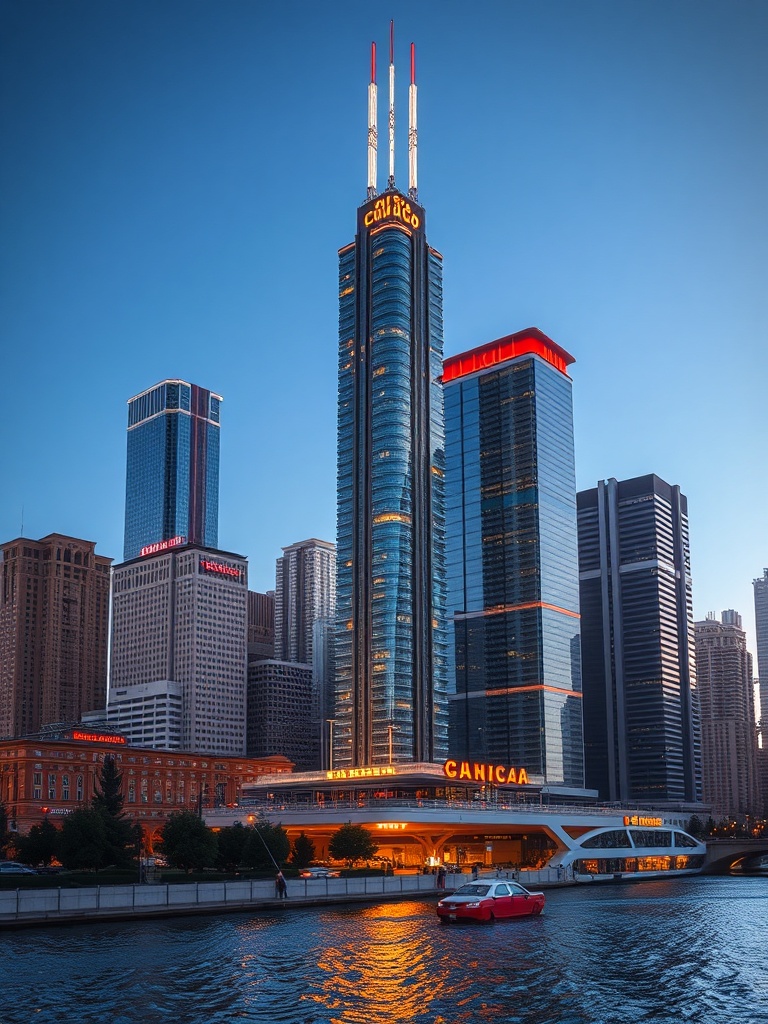
– Chicago Riverwalk: Winding along the river through the central city, this activated promenade hosts restaurants, performance spaces, and kayak launches. The layered design gives pedestrians a closer connection to the water and a different view of downtown architecture.
– Neighborhood Greenways: From pocket parks to expanded riverfront plazas, neighborhoods across the city have enhanced local waterfront access. These smaller spaces often feature community programming, street markets, and kid-friendly activities.
– Nature pockets: Birdwatching and seasonal wildflower displays are surprisingly accessible.
Head to protected areas and designated natural habitats to spot migrating species or enjoy quieter stretches of shoreline.
Active experiences and low-key enjoyment
Water-based activities are easy to find: kayak and paddleboard rentals along the river, boat tours that showcase architectural highlights, and organized fitness classes in park pavilions.
For calmer pursuits, picnic on grassy slopes, stroll through sculptural gardens, or capture skyline reflections at golden hour. Food options range from casual grab-and-go stands to riverside bistros, making it simple to build a day around exploring.
Practical tips for a smoother visit
– Plan by transit: The lakefront and riverwalk are well served by public transit and bike-share systems, reducing the need to search for parking.
– Dress for the wind: Breezes off the lake can be strong; layers make outdoor time more comfortable.
– Time your visit: Early morning and late afternoon offer softer light and fewer crowds.
Evenings often feature music and cultural programming along the waterfront.
– Respect habitats: Stick to marked paths in natural areas to protect fragile plant and bird populations.
Why it matters
A vibrant waterfront is more than a scenic backdrop—it’s a public asset that improves air quality, supports active living, and fosters economic activity for adjacent neighborhoods.
Thoughtful design that balances recreation, ecology, and access helps ensure these spaces remain welcoming and resilient as urban needs evolve.
Whether seeking active recreation, cultural experiences, or a peaceful green refuge, Chicago’s waterfront provides a blueprint for how cities can reclaim their shorelines as shared, dynamic public spaces.
Explore with curiosity and you’ll discover new angles on the skyline, unexpected pockets of nature, and the evolving heart of urban life along the water.