
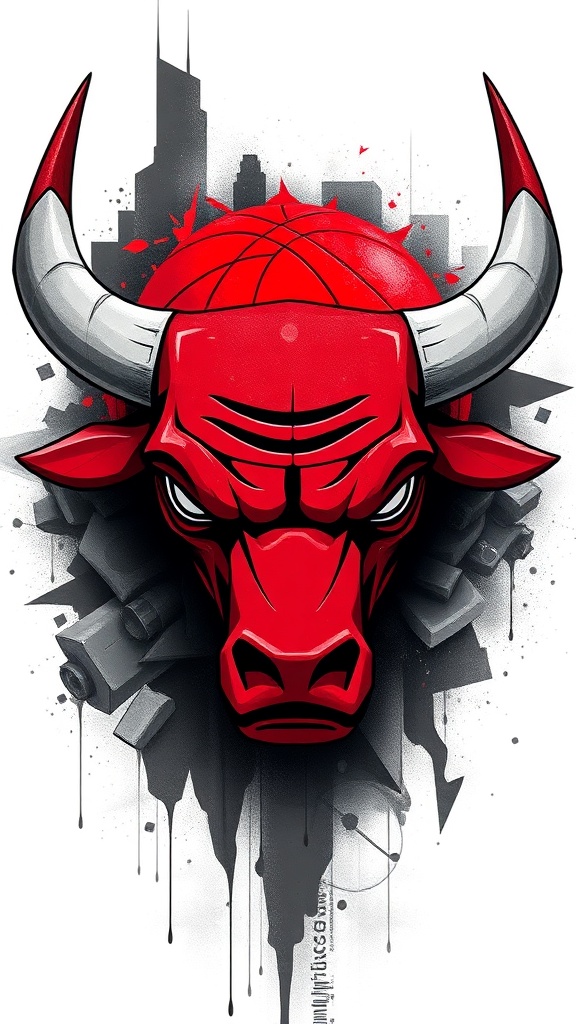
The Chicago Bulls brand combines an unmatched legacy with a forward-looking approach that keeps fans invested season after season. From the dynasty led by Michael Jordan and championship banners to the modern emphasis on analytics and player development, the organization balances nostalgia with a push for sustained competitiveness.
Legacy and identity
The Bulls’ identity is rooted in an era of dominance—six championships and some of the most recognizable figures in basketball history built a cultural footprint that extends well beyond the court. That legacy still influences expectations: Chicago fans demand intensity, defense, and star-level performance. The franchise leverages that history while working to redefine what a championship-caliber roster looks like in a league shaped by pace, spacing, and positional versatility.
Building a modern roster
Contemporary roster construction prioritizes a mix of veteran leadership and youthful upside. Teams across the league emphasize shooting, switching defense, and two-way wings; the Bulls are no exception.
Player development programs, targeted free-agent moves, and smart trades aim to assemble complementary pieces around any potential star talent. For sustained contention, depth matters—reliable role players, bench scoring, and defensive specialists can swing playoff series, and organizations that invest in development infrastructure often see better long-term returns.
Coaching, schemes, and analytics
Coaching philosophies in the NBA today combine traditional Xs and Os with data-driven insights. Effective schemes balance pick-and-roll creativity, floor spacing, and defensive switching.
Analytics help identify inefficiencies—where to attack, which lineups generate the best net rating, and how to allocate minutes to maximize wins. Teams that can translate analytical findings into practice habits and in-game adjustments tend to gain a competitive edge.
The United Center and fan experience
Game nights at the United Center remain a cornerstone of the Bulls experience. Fans expect top-tier production, local food and beverage options, and interactive digital features that enhance engagement. For visiting fans and season-ticket holders alike, a polished game-day atmosphere—paired with community events and player appearances—keeps support strong even during transitional stretches. The franchise’s outreach programs and youth clinics also deepen ties across Chicago neighborhoods, reinforcing basketball’s role in the city’s cultural life.
Business, branding, and global reach
The Bulls brand continues to be a global asset. Merchandise sales, international marketing efforts, and collaborations with designers and entertainers extend the team’s profile beyond the arena. Strategic partnerships and a focus on media content—highlight reels, behind-the-scenes access, and social storytelling—help maintain visibility in a crowded sports landscape.
What to watch
Key indicators of progress include roster cohesion, defensive efficiency, and how well young players adapt to increased responsibility. The front office’s approach to asset management—draft capital, contracts, and trades—will signal whether the team is positioning itself for a long-term title push or a more measured rebuild. For fans, monitoring lineup combinations and in-season adjustments gives insight into the coaching staff’s confidence and the team’s competitive ceiling.
Why it matters
Chicago is a basketball city with high expectations. The Bulls’ challenge is to honor a storied past while building a team that fits the modern game. When culture, coaching, and smart roster moves align, the result is a franchise that can excite both longtime supporters and newer fans eager for championship contention.
Keep an eye on development, strategic acquisitions, and how the organization leverages its global brand—those will shape the next chapter of Bulls basketball.