
Chicago is a city that rewards curiosity: a skyline forged by architectural innovation, neighborhoods brimming with culinary diversity, and a lakefront that reinvents itself season after season. Whether you’re a first-time visitor or a longtime resident, there’s always something new to discover.
Start with the essentials: architecture and the river. The Chicago Riverwalk offers a compact way to experience the city’s architectural lineage—public art, restaurants, and boat tours that explain how Chicago shaped modern skyscraper design. For a deeper dive, museum neighborhoods and architecture-focused tours provide context on the Chicago School, landmark preservation, and cutting-edge adaptive reuse projects.
The lakefront is the city’s living room. Miles of lakefront parks, beaches, and paths invite walking, running, biking, and relaxed picnics with skyline views.
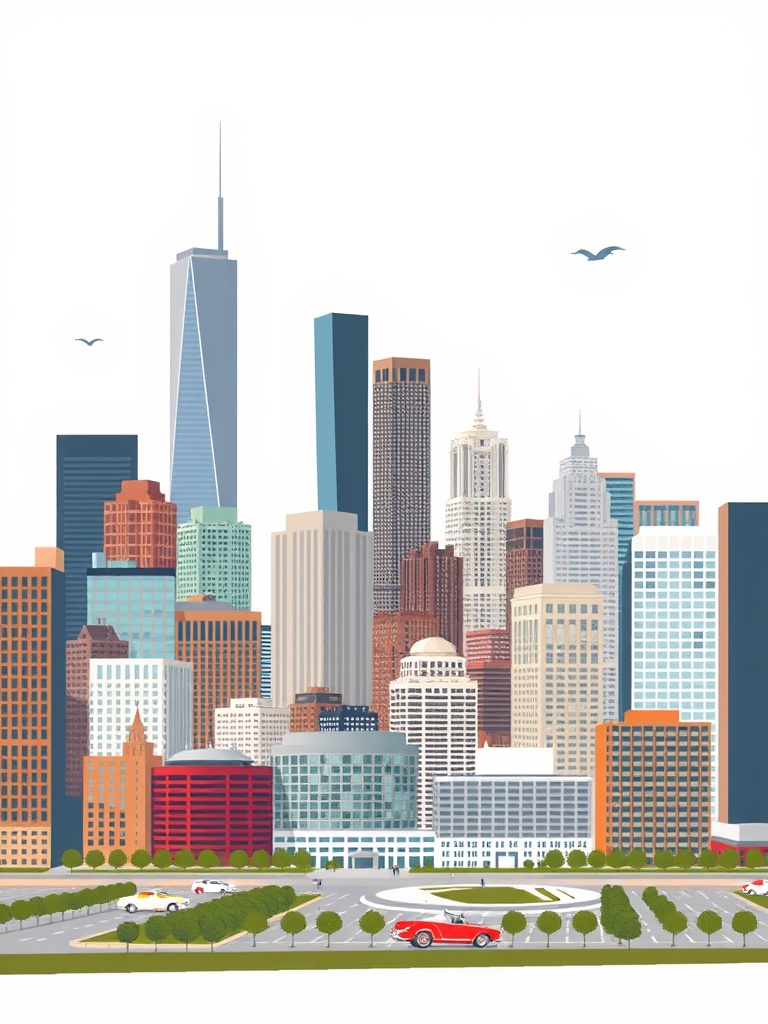
Millennium Park’s public art and concert programming remain a magnet for culture, while the broader lakefront system connects quieter parks, sailing marinas, and family-friendly beaches. For a different perspective, the Chicago River and lakeboat cruises pair history with skyline photography.
Neighborhoods define the city. From the gallery-lined streets and nightlife of River North to the historic charm of Lincoln Park, each area has a distinct personality.
Wicker Park and Logan Square lure with indie shops, coffee roasters, and vibrant nightlife. Pilsen remains a hub for Mexican-American culture, murals, and creative cuisine, while Hyde Park anchors cultural institutions and university energy. Explore beyond downtown to find local boutiques, neighborhood bakeries, and community-focused events that reveal authentic city life.
Food is a major draw. Iconic Chicago fare—hand-assembled hot dogs, Italian beef sandwiches, and deep-dish pizza—coexists with an ambitious fine-dining scene and countless global flavors. Neighborhood markets, pop-ups, and food halls showcase chefs who prioritize seasonality and sustainability.
Craft breweries, independent coffee shops, and rooftop bars offer relaxed ways to sample local flavors without formal reservations.
Culture and museums are plentiful. World-class museums, performing arts venues, and independent galleries offer rotating exhibitions and programming. Look for museum late nights, small-scale performance spaces, and community arts initiatives that make culture accessible beyond headline exhibitions.
Getting around is straightforward. The city’s transit network connects neighborhoods efficiently; buses and rapid transit lines cover a wide area, while commuter rail links outer neighborhoods and suburbs. Bike-share programs and dedicated bike lanes make two-wheeled travel a popular option.
Parking and traffic can be challenging in core areas—public transit or rideshare often simplify itineraries.
Practical tips for a smoother visit: dress in layers to handle changing weather near the lake, book popular restaurants or tours ahead of time, and use neighborhood-based searches to uncover hidden gems outside tourist centers. Safety is best managed by staying aware of your surroundings, keeping valuables secure, and asking locals or staff for neighborhood advice.
Chicago’s ongoing evolution blends big-city amenities with neighborhood authenticity, making it easy to craft a trip that matches any interest—architecture buffs can follow a design trail, food lovers can plan a neighborhood crawl, and outdoors enthusiasts can map a lakefront day. Start with one neighborhood, let curiosity lead, and you’ll find the city’s multifaceted charm quickly unfolding.