
Why Chicago Should Be on Your Radar: Food, Architecture, and Lakefront Life
Chicago blends big-city energy with approachable neighborhoods, making it easy to design a visit or a new routine that fits any taste. Whether drawn by world-class architecture, a famously vibrant food scene, or miles of lakefront green space, this city offers layers of experiences that reward exploration.
Architecture and the River
Architecture tours along the Chicago River remain essential.
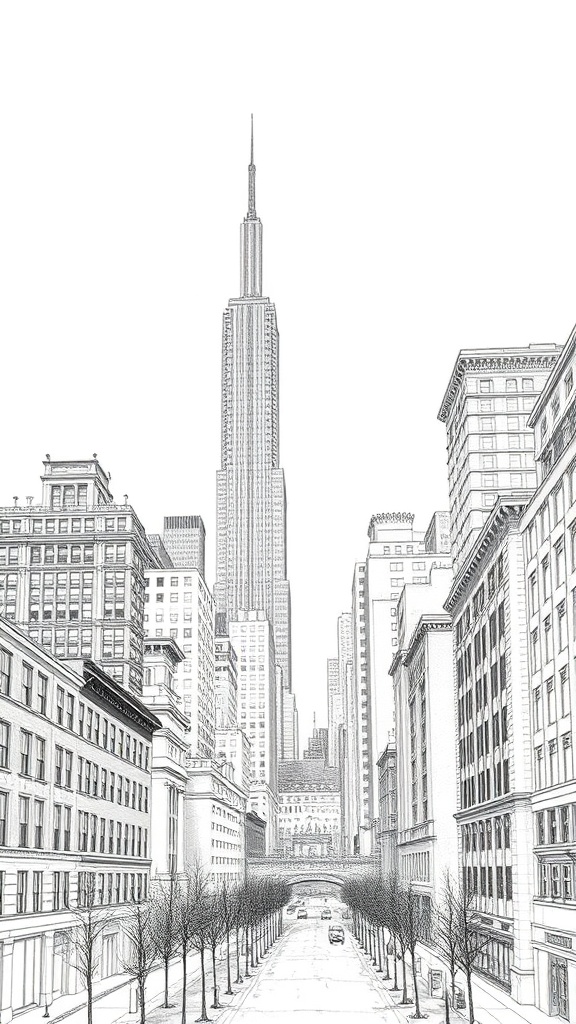
Guided boat tours reveal the city’s skyline evolution and highlight the adaptive reuse of old warehouses and industrial buildings into lively offices, galleries, and restaurants. Walkable districts like the Loop, the Gold Coast, and beyond showcase styles from classic beaux-arts to bold modern skyscrapers—perfect for photography and casual discovery.
Lakefront and Outdoor Life
The Lakefront Trail stretches for miles along Lake Michigan, connecting beaches, parks, and cultural institutions. Biking, running, kayaking, and stand-up paddleboarding are popular ways to enjoy the water, while shaded promenades and picnic-friendly greens provide low-key relaxation. Community gardens and green rooftops add surprising pockets of calm across neighborhoods, reflecting the city’s focus on climate resilience and public green space.
Neighborhoods to Explore
Each neighborhood offers a distinct personality. The West Loop has evolved into a culinary destination, where small plates and chef-driven tasting rooms mix with lively bars. Wicker Park and Bucktown remain hubs for indie shops, record stores, and coffee roasters. Pilsen features mural-lined streets and a strong connection to Mexican-American culture, with colorful galleries and authentic taquerias.
Hyde Park pairs lakefront access with major museums and academic life, while Lincoln Park offers a family-friendly balance of a historic zoo and conservatory.
Food and Nightlife
Chicago’s food identity goes beyond iconic classics.
Deep-dish pizza and the Chicago-style hot dog are essential taste tests, but the city’s culinary scene also excels in refined dining, inventive small plates, and a booming brunch culture. Food halls and farmers markets make local produce and artisanal products easy to sample. After dark, live music—especially blues and jazz—continues to be a lively thread in the entertainment fabric, from intimate clubs to larger venues.
Getting Around
Public transit and growing bike infrastructure make it straightforward to navigate.
The elevated “L” trains and buses connect major neighborhoods, while riverwalks and pedestrian-friendly streets encourage on-foot discovery.
Bike-share systems and expanding protected lanes support active commuting and scenic rides along the lake.
Practical Tips
– Time your park visits for early morning or evening to avoid crowds and catch softer light for photos.
– When sampling local specialties, ask servers for neighborhood favorites—many standout spots are tucked away on side streets.
– Use river and architecture tours to orient yourself; they provide context that makes wandering more rewarding.
Why It Resonates
Chicago strikes a balance between accessible green space and dense urban culture, offering both breath-taking skyline vistas and cozy neighborhood finds.
From casual food stands to high-end tasting menus, from reflective lakefront walks to bold public art, there’s always an invitation to dig deeper and return with fresh discoveries.