
Chicago Cubs: Wrigley Field, the Roster, and What Fans Should Watch
The Chicago Cubs remain one of baseball’s most magnetic franchises — a blend of historic charm, passionate fans, and evolving baseball strategy. Whether you’re a lifelong supporter or a newcomer planning your first trip to the Friendly Confines, here’s a practical guide to what makes the Cubs compelling and what to watch for going forward.
Wrigley Field and the Fan Experience
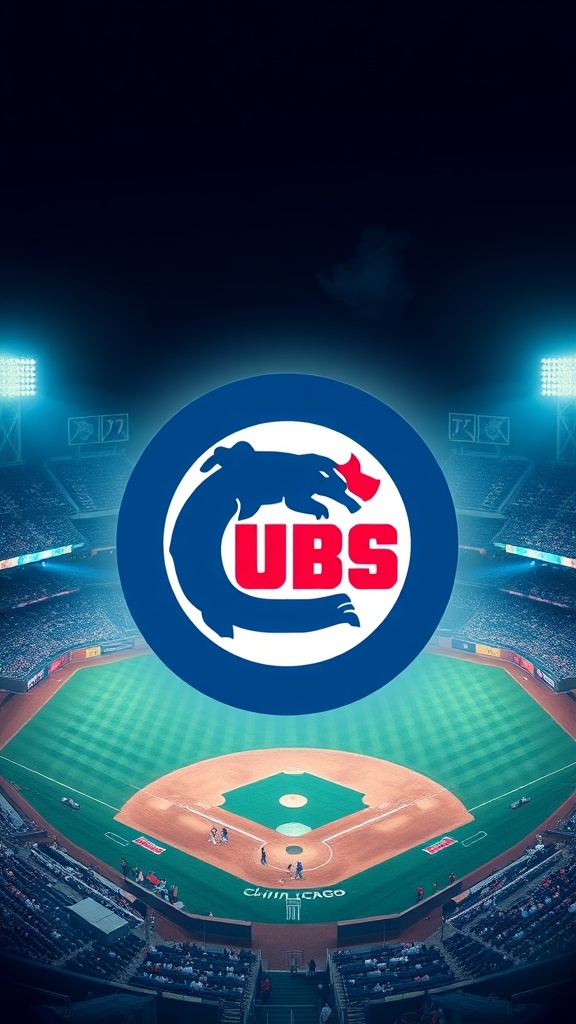
Wrigley Field is more than a ballpark; it’s an atmosphere. The ivy-covered outfield walls, the hand-operated scoreboard, and rooftops across the street create a game-day feel that’s hard to replicate. Fans who arrive early can soak up neighborhood energy, enjoy pregame food and drink options in the plaza, and catch batting practice when available.
Ticketing tips:
– Buy tickets early for marquee matchups and weekend games; midweek tickets can offer better value.
– Explore rooftop seating for a unique vantage point and social experience.
– Public transit and rideshare are recommended — parking is limited and expensive near the ballpark.
Roster Building: Balance Between Youth and Experience
The organization’s approach blends homegrown development with targeted acquisitions. The front office emphasizes scouting, player development, and analytics to create sustainable competitiveness. That means watching not only established stars but also prospects moving through the system.
Key roster storylines to follow:
– Emerging position players who could take on bigger roles.
– Young pitchers refining their command and secondary offerings.
– How veterans contribute both performance and mentorship.
Prospects, Development, and Analytics
Player development remains central to long-term success. Investment in analytics, biomechanics, and individualized coaching helps prospects reach the majors ready to contribute.
Keep an eye on pitchers improving velocity and control, hitters increasing hard-contact rates, and catchers or infielders who demonstrate defensive upside.
Scouting and international signings also factor into building depth. Fans interested in deeper analysis should track minor-league reports, Statcast metrics, and organization-wide development trends for clues about future impact players.
Rivalries and Key Matchups
Rivalries give the schedule emotional weight. Games against long-standing opponents generate high interest and often showcase intense, competitive baseball. Those matchups are must-watch for fans who enjoy pennant races and narrative-driven contests.
Media and How to Follow
Official team channels, local radio broadcasts, and sports networks provide comprehensive coverage — from pregame analysis to postgame interviews. Social media accounts and beat writers offer near-instant updates, injury news, and behind-the-scenes content. Subscribing to a few trusted sources gives a balanced perspective and timely info on lineups and roster moves.
Community and Culture
The Cubs’ community presence and charitable outreach strengthen the bond with Chicago neighborhoods. Whether through youth baseball initiatives, community clinics, or partnerships, the organization’s local involvement resonates with fans who care about impact beyond wins and losses.
Practical Tips for Visiting Fans
– Check game times and any special events that may affect crowds.
– Bring layers — evening temperatures by the lake can change quickly.
– Explore the neighborhood’s dining options before or after the game.
– Respect local customs: cheering etiquette, line management, and rooftop protocol help everyone enjoy the experience.
The mix of tradition and forward-looking strategy keeps following the Cubs endlessly interesting. From Wrigley Field’s timeless charm to the excitement of rising talent, there’s always something new to watch and enjoy as the team pursues consistent success.